How often should you get a massage? It's a question worth asking once your wellness routine starts feeling less like self-care and more like something you squeeze in whenever you remember.
The right frequency isn't universal; it depends on your body's condition, your activity level, and the kind of tension you're carrying that week. Curious what that frequency looks like for you? This article breaks it all down.
Is There an Ideal Massage Frequency?
Massage is one of the most popular treatments people turn to, whether for healing sore muscles or simply unwinding. It offers real benefits for both body and mind, especially for anyone dealing with muscle tension or craving a full sense of relaxation.
A common question that comes up is how often you should get a massage to see real results. No fixed number works for everyone since it depends on individual conditions, but most people find their rhythm somewhere between one to four times a month.
What Actually Determines Your Ideal Massage Frequency?
The right massage frequency depends on several factors, including physical activity level, health condition, stress level, and the therapy goals you're aiming for. Each factor plays its own role in shaping how often you should book a session to get the most benefit.
- Physical activity level
People with intense physical routines, like athletes or frequent exercisers, usually need more frequent massages to help their muscles recover.
- Health condition
Anyone dealing with chronic muscle issues, injuries, or other health concerns typically needs a more structured massage schedule based on medical advice.
- Stress level
If you're carrying a heavy workload and daily stress, regular massage sessions can help you unwind consistently.
- Therapy goals
Different goals call for different rhythms, whether it's simple relaxation, medical treatment, or recovery after an injury.
Massage Frequency by Goal
As mentioned above, massage frequency is shaped by several factors, including your therapy goals. Each goal calls for a different frequency, so here's a closer look at what that looks like in practice.
For General Relaxation and Stress Relief
Many people turn to massage as part of their self-care routine, seeking calm and relief from everyday stress. The right frequency for general relaxation and stress relief actually varies depending on your stress level.
For mild stress, once a month is usually enough to maintain that sense of calm. For moderate stress, aim for once every two weeks, while high stress may call for weekly sessions during the first few weeks until you feel noticeably calmer, then gradually tapering off from there.
For Chronic Tension or Muscle Pain
If you're dealing with chronic tension or muscle pain, getting a massage once every one to two weeks during the first month is a solid starting point. Once the pain starts to ease, you can gradually cut back to once a month for long-term maintenance and care.
For Athletic Recovery and Active Travel
If you have a high-intensity routine, such as frequent workouts or active travel, your recovery needs will likely call for slightly more frequent sessions. For intense training or high-activity periods, one to two massages a week can help release stiff muscles and prevent injury.
For moderate activity like an active vacation, a single massage midway through your trip can ease tired legs and a sore back, or you can space sessions every two to three weeks. During maintenance or off-season periods, once a month is usually enough to keep your muscles flexible.
For Jet Lag and Long Haul Flight Recovery
For jet lag and long-haul flight recovery, you don't actually need many sessions, just one to two massages during your first days after arrival. The first session works best within 12 to 24 hours of landing to loosen up tense muscles, followed by a second session on day three if you're still feeling fatigued.
How Does Massage Frequency Change on a Bali Trip?
When you're on vacation in Bali, the frequency of massages you can fit in may naturally shift. The activities you do around the island, your trip duration, and how easy it is to access a spa all play a role in how often you can book a session.
- Trip duration
For a short trip of 3-4 days, one to two massages are usually enough. For longer stays like a week or more, sessions can be scheduled more regularly, such as every two to three days, especially if your vacation activities are fairly intense.
- Activities on the island
If you enjoy higher-intensity activities like surfing, trekking to a mountain or waterfall, or long walks to reach your destination, your muscles will tire out faster and need a massage to help them recover.
- Strategic timing
Sessions are often scheduled early in the trip to ease soreness from jet lag or a long flight. A follow-up session mid-trip helps release tension from daily activities, while one before heading home leaves your body feeling refreshed after all that vacation activity and ready for work to start again.
- Spa culture
Bali is home to plenty of quality spas that are easy to reach in nearly every corner of the island. This accessibility means many travelers end up getting more treatments here than they would back home.
Signs Your Body Is Ready for Another Session
Massage is a treatment packed with benefits, and sometimes your body sends signals through both physical and mental cues that indicate you actually need one. Here are a few signs to watch out for:
- Muscles around the shoulders, neck, or back feel stiff and heavy whenever you move.
- Muscle soreness shows up without a clear cause, often from daily activities or sitting too long.
- Tension in the head or frequent migraines caused by overly tight upper body muscles.
- Your body feels tired, yet you struggle to sleep soundly or deal with insomnia.
- Your mind feels overwhelmed and anxious, and your body has trouble truly relaxing.
Signs You Should Slow Down or Skip a Session
Besides knowing when your body needs a massage, it's just as important to recognize when you should ease up or skip a session altogether. Here are a few conditions where your body needs rest instead:
- If your body still feels sore, achy, or bruised from your last session, give it more time to recover before booking another one.
- If you're feeling under the weather, running a fever, or dealing with the flu, skip the massage until you're truly back on your feet.
- If you have an acute injury, a fresh bruise, or a skin wound, get medical treatment first and wait until it heals before getting a massage.
- If your skin is irritated, has a rash, or shows signs of infection in the area you want treated, avoid massage there for now.
- If you're feeling extremely exhausted or dealing with overtraining, rest first before adding another session.
A Sample Massage Schedule by Trip Length
If massage is an essential part of your wellness routine and you want to build it into your trip schedule, it naturally needs to align with how long your vacation lasts. Here's a sample massage schedule you can use as inspiration or adjust based on your actual body condition and daily activities.
A 5 to 7 Day Stay
For a 5 to 7 day trip, two to three massage sessions are usually enough to keep your body feeling refreshed. The first session can be done right after arrival to ease soreness from jet lag, followed by a second session on day three or four to release muscle tension from your vacation activities, and one more session one to two days before heading home so you feel truly relaxed and refreshed before getting back to your routine.
A 10 Day or Longer Stay
For longer trips, you have more room to schedule regular massage sessions, especially if your daily activities are fairly intense, like trekking or surfing. You can start with an initial session on your first day of arrival for jet lag recovery, then schedule massages every three to four days for maintenance, and close it out with one more session one to two days before heading home so your body feels relaxed before returning to reality.
Matching the Treatment to the Moment
Massage comes in many techniques, each with its own purpose and benefits, even though they're all rooted in the same basic idea of touch therapy. Choosing the right one plays a big role in actually getting the results you're looking for.
Balinese Massage for General Relaxation
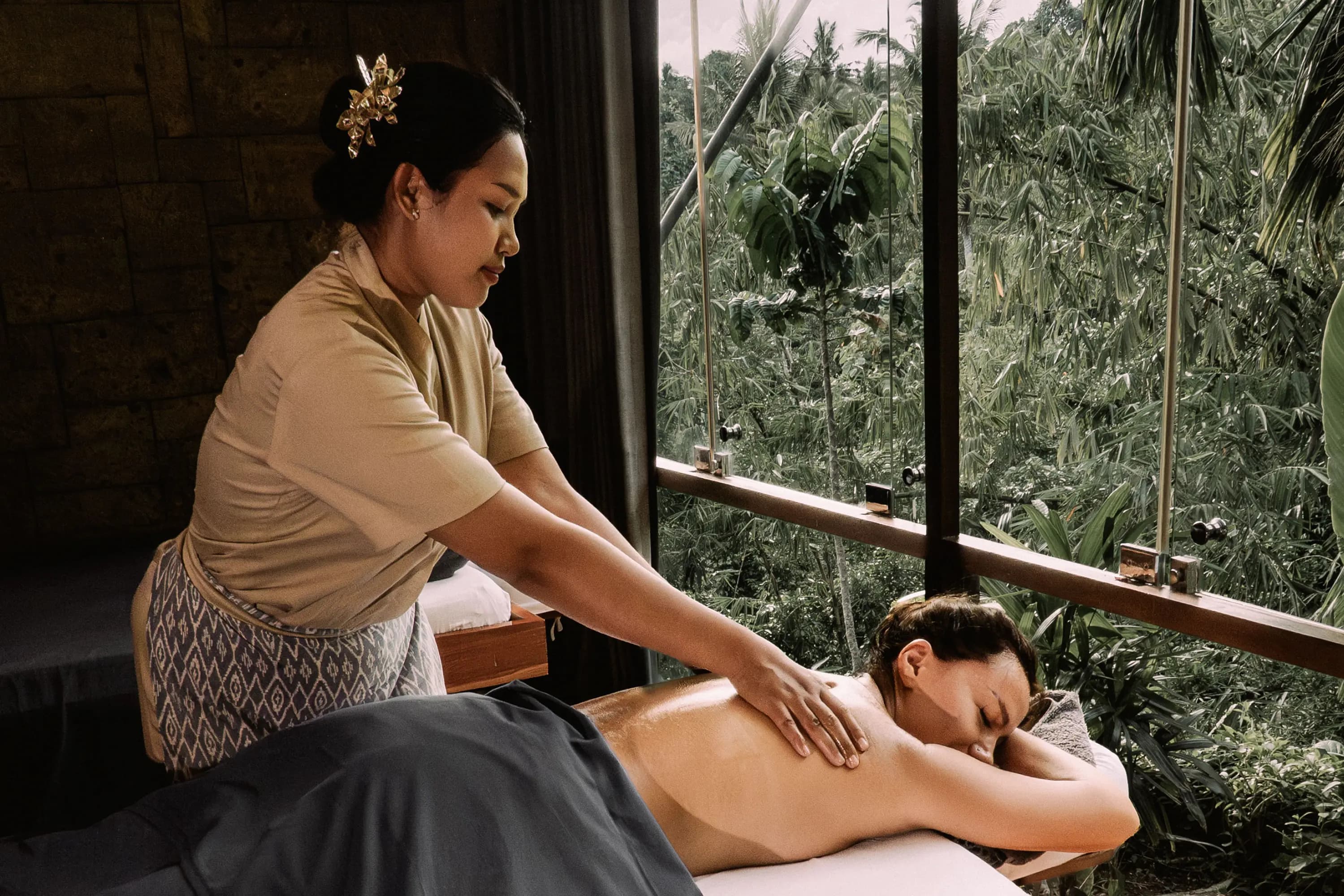
Balinese massage is one of the most widely offered treatments at spas across the island. This full-body therapy combines long, flowing strokes, gentle pressure on specific points, and aromatherapy oils to calm the nervous system, loosen stiff muscles, and improve blood circulation.
Beyond the physical benefits, this therapy also works well for relaxation, particularly in easing stress and anxiety. It's known to support better sleep quality as well.
Deep Tissue Massage for Muscle Recovery
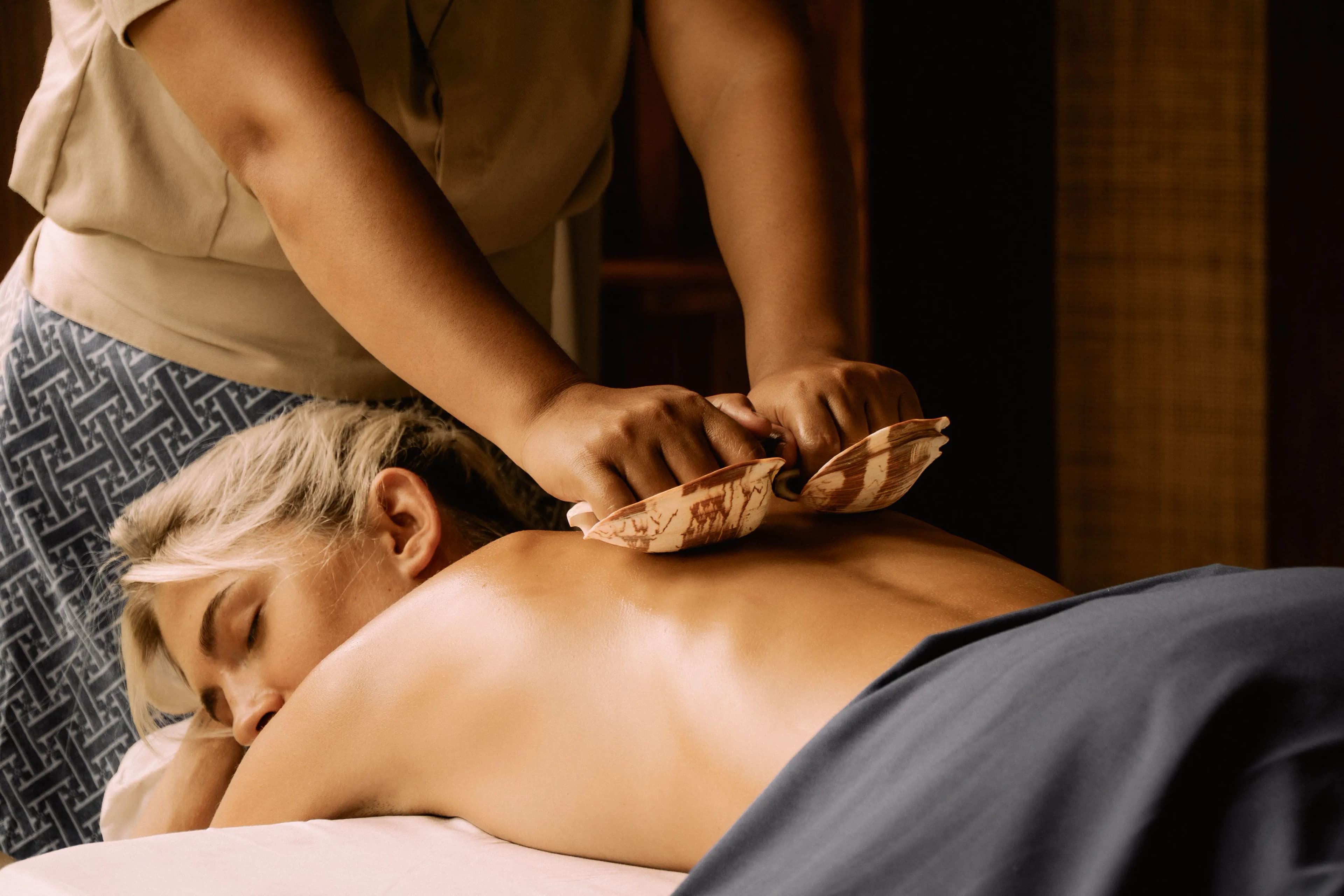
Deep tissue massage is a technique that uses firm pressure to target the deepest layers of muscle and connective tissue. This method is quite effective for managing chronic pain, breaking down scar tissue, improving blood flow, and speeding up the healing of muscles that feel tense and stiff.
Reflexology and Hammam for Lighter Days
For a lighter day, you can combine reflexology with a hammam, the traditional Middle Eastern steam bath. Hammam helps flush out toxins and loosen stiff muscles through warm steam and body scrubs, while reflexology improves circulation through nerve points on the feet, leaving your body feeling lighter and re-energized.
Shirodhara and Sound Healing for a Mental Reset
If you want to calm your mind, reduce stress, and restore nervous system balance, shirodhara and sound healing are worth considering. Both are holistic relaxation practices often combined to achieve these benefits, pairing gentle stimulation at the head's energy point with deep, resonant acoustic vibrations.
Turning Massage Into Part of How You Travel
How often you should get a massage isn't a confusing question after all, since every person and every condition calls for a different frequency. What matters most is learning to recognize your body's signals, knowing when it needs a massage and when it's better to ease up or skip one altogether.
With this understanding, you no longer need to worry about working massage into your wellness routine while traveling around Bali. When you're ready to experience it firsthand, Svaha Wellness is the perfect stop for massage and treatments that leave you feeling truly relaxed and recharged.