
You're probably still feeling stiff even though you stretch regularly, because you need to understand mobility vs flexibility. Knowing which one you are missing is what actually fixes stiffness daily.
These two things are different because they work differently in solving stiffness after waking up in the morning. To find out what works best for you to make your body feel lighter, learn more about mobility vs. flexibility.
Why Stretching Alone Doesn't Solve Stiffness
You may experience muscle pain after a long day of flying and barely get a proper sleep. It makes your body feel stiff, and as soon as you wake up, you think that stretching alone will solve the problem.
Stretching can loosen tight muscles and improve flexibility, but shortened muscles are not necessarily the source of stiffness. It happens as a result of the routine things you do, like prolonged sitting, repetitive movement, poor posture, and limited joint mobility.
What Stretching Actually Targets
Stretching itself targets muscles and the connective tissues around them, improving muscle flexibility and increasing range of motion. When muscles are tight after sitting and/or even doing exercise with repetitive movement, gentle stretching can reduce that feeling of restriction.
Where Stretching Falls Short
Stretching does not always address the underlying reason stiffness keeps returning. If the problem occurs during long periods of sitting and repetitive movement, stretching alone often treats the sensation rather than the cause.
For lasting improvement, stretching is more effective when it is combined with regular movement, or even sport massage for muscle recovery. This broader approach helps the body release stiffness and move with better control and comfort.
What Flexibility Actually Means
If you do not know what flexibility is, it refers to how easily muscles and surrounding soft tissues can lengthen enough to move through their available range. Good flexibility should support comfortable, controlled movement without forcing the body.
Muscle flexibility is not the same as mobility, because it focuses more on how much the tissue can lengthen, while mobility includes how well a joint can move and stay controlled through that range. This clearly shows that flexibility may not always address stiffness.
The Role of Muscles
Muscles take a major role in both flexibility and stiffness, as they constantly shorten and lengthen as the body moves. When muscles are overused or held in the same position for too long, they can begin to feel stiff and tight, making movement less comfortable.
This is why improving muscle tension requires more than flexibility work. A combination of stretching, regular movement, and adequate recovery, for example through hot stone vs deep tissue massage, works efficiently for comfortable movement.
Why Being Flexible Doesn't Guarantee Free Movement
If you think that being flexible guarantees free movement, you're wrong. Free movement heavily depends on much more than that, as the body needs good joint mobility, muscle strength, coordination, balance, and control to move comfortably within its range of motion.
Flexibility works best as part of a broader movement routine. You can combine stretching with mobility exercises, strengthening, and regular activity that helps the body to use its available range more effectively rather than simply increasing how far a muscle can stretch.
What Mobility Actually Means
For better understanding, you should know what mobility actually means. Mobility refers to the ability of a joint to move actively and comfortably through its available range of motion during routines.
Good mobility has important implications for your body, as it helps everyday movement such as bending, reaching, walking, and turning feel easier. Mobility exercises are often useful alongside stretching, especially when stiffness comes from long periods of inactivity.
The Role of Joints
Joints have an important role in your body because they connect two or more bones, allowing you to bend, rotate, reach, walk, and perform everyday movements. The ability to move comfortably depends on healthy joint structures, surrounding muscles, and connective tissues.
Supporting joint mobility involves more than stretching. Gentle mobility exercises, regular movement, and a body-focused treatment can help joints move through their available range with greater control and comfort.
Why Mobility Is Often the Missing Piece
Mobility is frequently the missing piece because it connects flexibility with actual movement. You may have enough flexibility to reach certain positions, but if your joints and muscles can’t actively control that range, your body can still be stiff or even restricted.
Adding mobility exercises helps the joints and surrounding muscles to move together with better control. A combination of a mobility-focused massage, stretching, strengthening, and regular activity makes movement feel smoother and more natural.
How to Tell Which One You're Missing
There is a simple way to tell when flexibility or mobility is missing. You can address the issue by understanding the flexibility or mobility gap that makes your body barely able to do some movements during routines.
Signs You Have a Flexibility Gap
Common signs that you have a flexibility gap include tight hamstrings when bending forward, difficulty reaching overhead without compensating through the back, or feeling restricted during stretches. The limitation is usually noticeable after long periods of sitting or inactivity.
Signs You Have a Mobility Gap
You may notice stiffness during squats, difficulty rotating through the upper back, limited ankle movement, or trouble lifting your arms without arching the lower back. These are signs that your body is finding another way to complete the movement.
Addressing Stiffness at the Source
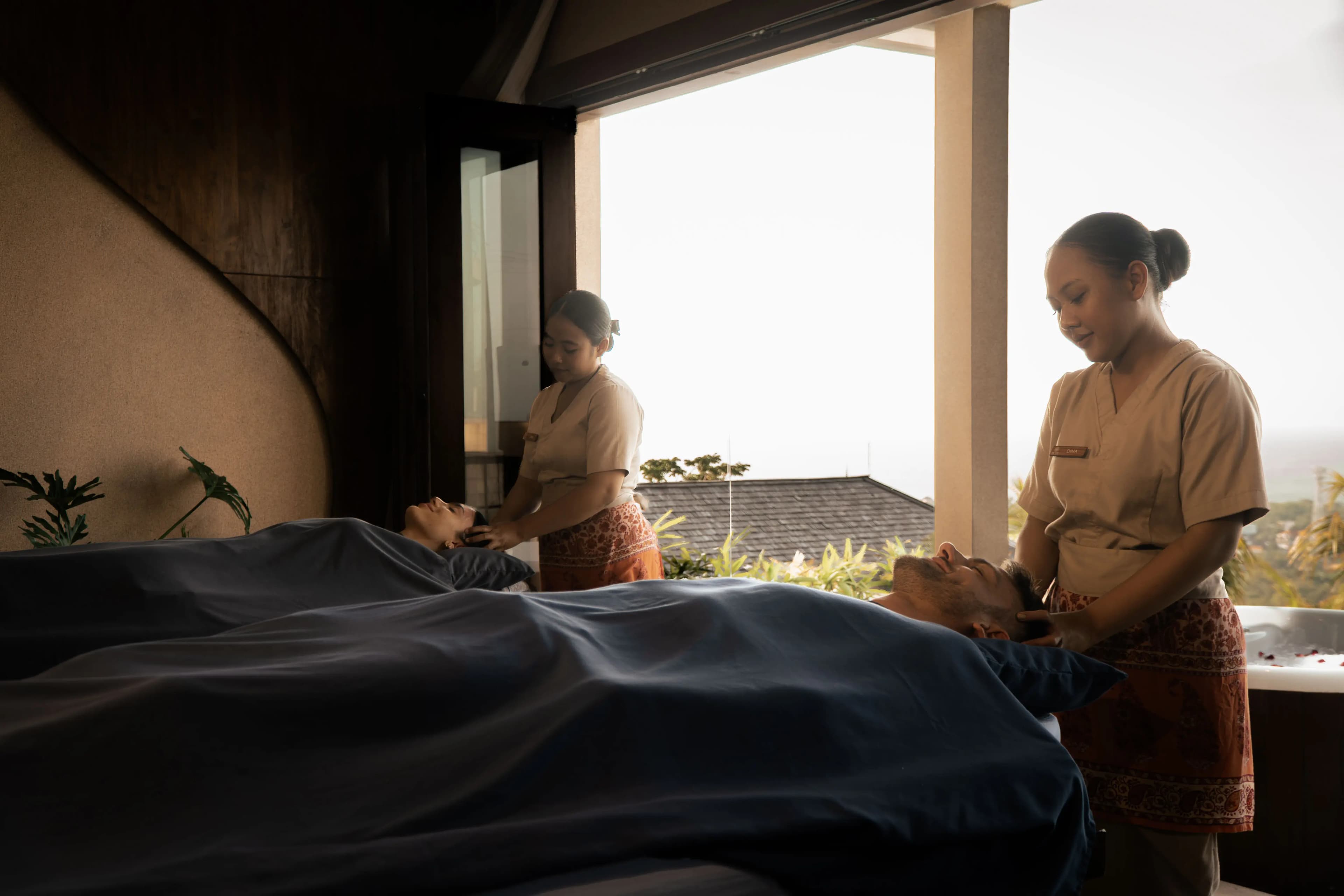
To address stiffness at the source, you need to build habits over time so body movements are not restricted anymore. A massage in Bali at Svaha Wellness can be a habit to help recover the body from stiffness because of limited flexibility and mobility.
Habits That Build Both Over Time
Building habits over time helps you address the stiffness. You can walk, change sitting positions, do gentle stretching, and do short mobility exercises that prevent your body from spending too much time in the same posture.
Recovery habits play a major role in addressing stiffness. Proper sleep, hydration, rest between demanding activities, and treatment such as massage can support muscle recovery and reduce accumulated tension.
When Bodywork Can Help More Than Stretching Alone
Unlike stretching, bodywork may help reduce the sensation of tightness, promote relaxation, and make restricted areas feel easier to move afterward. This habit is truly helpful when the body feels generally tense rather than simply inflexible.
Techniques include massage with pressure through wellness in Bali and hands-on manipulation to work directly with muscles and surrounding soft tissues. This treatment is useful when stiffness is linked to muscle tension, repetitive strain, and prolonged sitting.
Solving Stiffness by Understanding Mobility vs Flexibility
Understanding mobility vs flexibility helps you address stiffness at its actual source. Rather than stretching to recover, having a bodywork session at a wellness place is highly recommended to solve the problem.
Best massages in Bali are widely available across the island, and you can choose either Svaha Spa Sanora or Svaha Spa Ajowa, offering bodywork to reduce muscle tension. These places have professional, skillful therapists who can help you recover from stiffness.