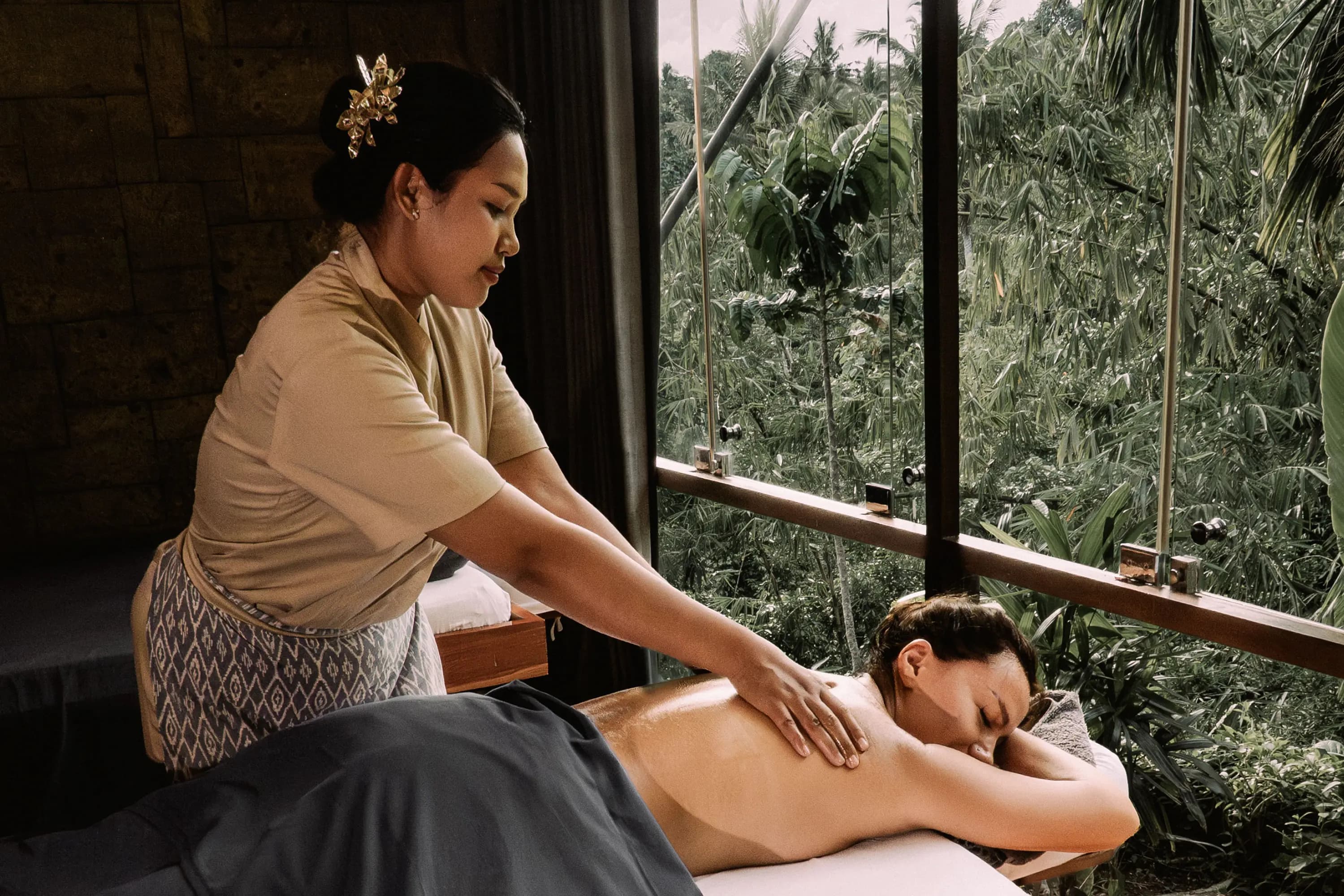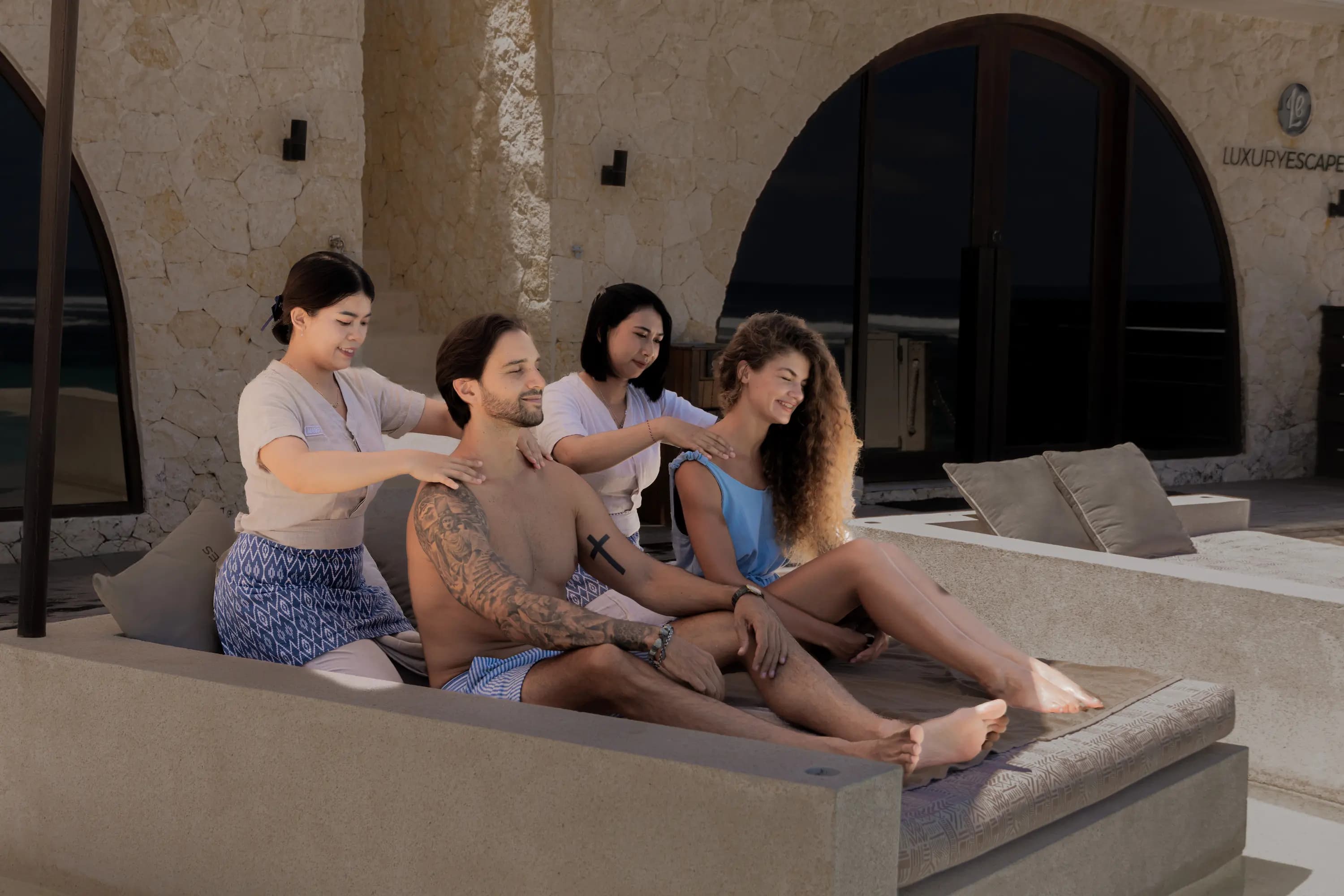
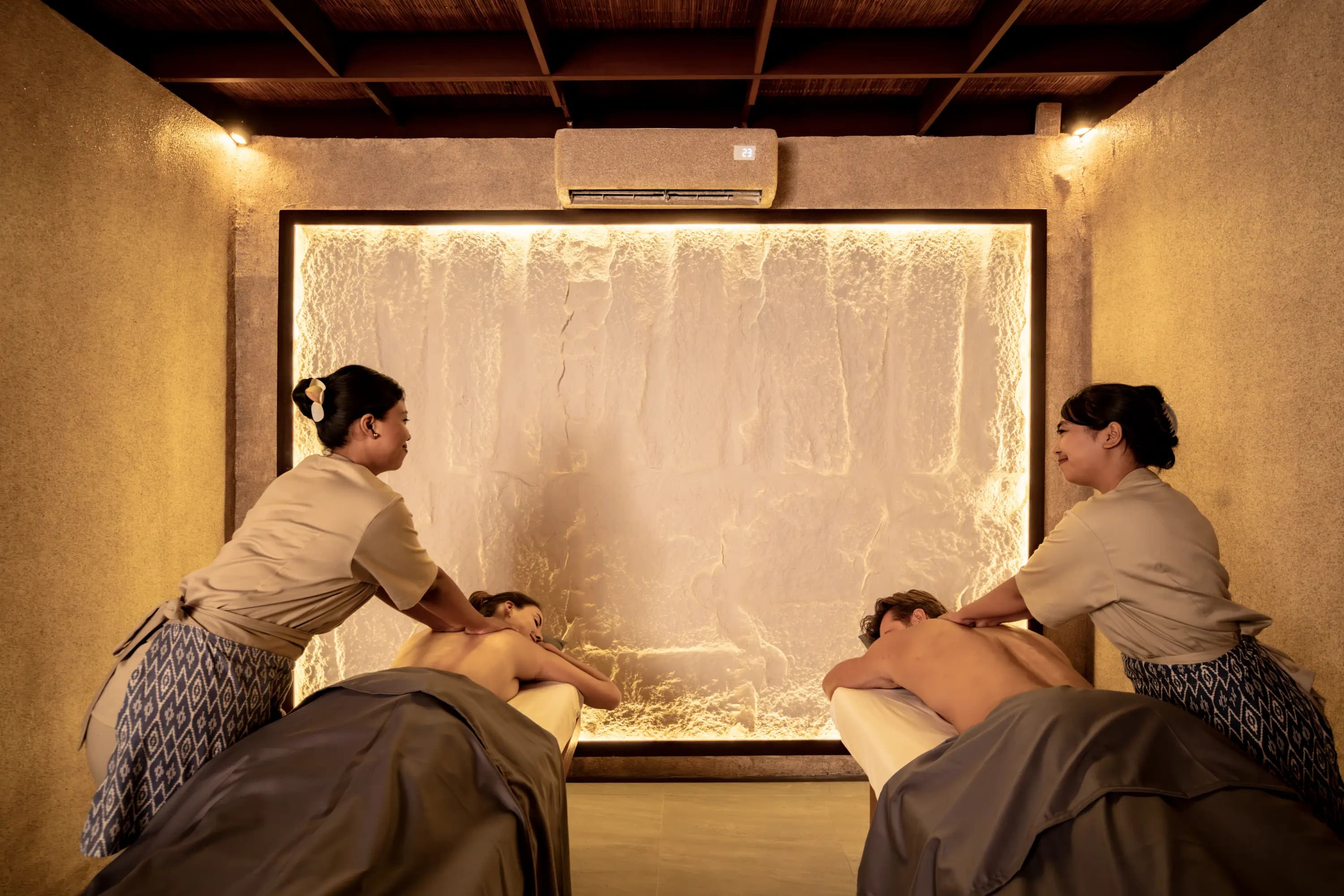
In Bali, therapeutic massage is one of the easiest wellness services to find, offered at spas and wellness centers across the island. This holistic treatment helps calm both body and mind by blending traditional bodywork techniques, aromatherapy, and targeted relief for tight or strained muscles.
With so many styles available, the right therapeutic massage in Bali depends on what you need, whether that's releasing muscle tension, recovering from physical fatigue, or matching your preferred pressure and the kind of experience you're after. In this article, we'll walk you through what it involves and how to choose a session that suits your body.
Understanding Therapeutic Massage in Bali
In simple terms, therapeutic massage is a technique that works on the body's soft tissues, such as muscles, tendons, and fascia. Its goal goes beyond relaxation, focusing on specific benefits like easing localized pain and releasing physical tension.
With so many massage styles on offer, what actually makes one therapeutic? And why do people choose this kind of treatment in the first place?
What Makes a Massage Therapeutic
A massage becomes therapeutic when its purpose goes beyond pampering, aiming to restore how your body moves, ease discomfort, and support your overall well-being. Unlike a standard relaxation session at a spa, it follows a more structured, goal-oriented approach.
Here are a few elements that set a therapeutic massage apart:
-
A clear focus
The session starts with an assessment of what your body needs, as the therapist usually asks questions or checks certain areas first. This helps them choose the right technique, whether you're dealing with ongoing back pain, minor muscle strain, stiff joints, or another concern.
-
A physical response
Working on soft tissue can help loosen tight muscles, and a 2024 study found that five weekly sessions reduced stiffness in the upper shoulders for up to three weeks.
-
A calmer mind
Massage can shift the body toward its "rest and digest" mode, and a recent review notes that this often comes with a lower heart rate and blood pressure.
-
Targeted techniques
Your therapist blends several methods and adjusts them to suit your condition and comfort level.
Common Reasons to Consider a Therapeutic Massage
Therapeutic massage is a popular complementary option for easing physical discomfort, managing stress, and supporting overall wellness. Here are some of the most common physical and mental reasons people book a session:
Common Physical Reasons:
-
Pain relief
It can help ease muscle tension, lower back pain, and stiff joints. A Cochrane review notes that relief for back pain tends to be temporary, so it works best as part of a wider self-care routine.
-
Recovery support
A session after an active day of surfing or hiking may help ease post-workout aches, as a 2018 meta-analysis found massage among the most effective ways to reduce soreness. If you've recently had surgery, check with your doctor first.
-
Headache relief
Gentle work on the neck, shoulders, and scalp may help ease tension headaches, though research results are still mixed.
-
Better flexibility
Loosening tight muscles and connective tissue can help improve your range of motion, making everyday movement feel easier.
-
Chronic conditions
Alongside medical care, massage may help ease symptoms linked to fibromyalgia or arthritis. A review of fibromyalgia studies points to benefits from regular sessions over several weeks.
Common Mental and Wellness Reasons:
-
Stress relief
A session can help calm an overactive nervous system, leaving you feeling more grounded and at ease.
-
Emotional balance
Massage may help ease feelings of anxiety and low mood. A large review of massage research found that even one session can lower short-term anxiety, with longer-lasting benefits seen after a series of treatments.
-
Better sleep
By relaxing both body and mind, massage may help you drift off more easily and enjoy more restful nights.
Choosing the Right Massage Treatment
As mentioned earlier, the aches and tension you feel may call for different kinds of massage. Since every style has its own technique and purpose, it helps to understand what your body actually needs.
Here's a simple guide to help you find the right massage treatment:
For Muscle Tension and Stiffness
Muscle stiffness can build up after long hours of sitting, repetitive movement, poor posture, or everyday physical activity. For general tightness that does not require very deep pressure, these massage styles can help loosen tense areas and improve comfort and mobility:
|
Massage Type |
Technique |
Why It Works |
|
Swedish Massage |
Uses long strokes, kneading, circular movements, and light to medium pressure across tense muscle areas. |
Helps relax tight muscles and ease general stiffness while remaining relatively gentle. |
|
Trigger Point Massage |
Applies focused pressure to specific tight areas or muscle knots, often around the neck, shoulders, and back. |
Targets localized areas of tension that may feel tender, tight, or restricted. |
|
Myofascial Release |
Uses slow, sustained pressure and gentle stretching on tight connective tissue and trigger points. |
Can help release fascial tightness and improve movement in areas that feel stiff or restricted. |
|
Thai Massage |
Combines rhythmic pressure with assisted stretching and guided body movements. |
A useful option when stiffness is accompanied by reduced flexibility or limited range of motion. |
For Post-Travel Fatigue
After a long journey, it's common to feel tired, achy, and stiff. Gentle styles that help your body unwind and quiet a busy mind are a great place to start:
|
Massage Type |
Technique |
Why It Works |
|
Swedish Massage |
Long, smooth strokes with light to medium pressure across the body, especially the back, neck, and shoulders. |
Helps ease general stiffness after prolonged sitting while encouraging overall relaxation. |
|
Aromatherapy Massage |
A gentle massage combined with aromatic essential oils selected for the treatment. |
Combines relaxing massage with scent to create a calming experience after a tiring journey. |
|
Foot Massage or Reflexology |
Gentle to moderate pressure is applied to the feet and sometimes the ankles and lower legs. |
Can feel soothing when the feet and lower legs are tired after extended travel. |
If one leg becomes noticeably swollen, painful, warm, or red after a long journey, avoid massage on the area and seek medical advice promptly, as these can be symptoms of deep vein thrombosis (DVT).
For Deeper Muscle Work
If you're dealing with persistent or deeper muscle tension, firmer therapeutic techniques may be more suitable. These approaches are generally more targeted than relaxation massage and may focus on muscles affected by repetitive movement, exercise, or long-term tightness.
|
Massage Type |
Technique |
Best For |
|
Uses slow, firm strokes and sustained pressure to work into deeper layers of muscle and connective tissue. |
Persistent tension and tightness, particularly around the neck, shoulders, back, and other heavily used muscles. |
|
|
Sports Massage |
Uses targeted massage techniques and stretching on muscles affected by exercise or repetitive physical activity. |
Active people dealing with muscle tightness or recovery needs related to sport and physical activity. |
|
Trigger Point Therapy |
Uses concentrated pressure on specific tender or knotted areas within the muscles. |
Localized knots or recurring areas of muscle tension that need more focused work. |
|
Thai Massage |
Combines pressure with assisted stretching and movement rather than relying only on deep pressure. |
Stiffness accompanied by reduced flexibility or range of motion. |
For Gentle Relaxation
If your main goal is to slow down, reduce stress, and enjoy a soothing treatment rather than address specific muscle problems, choose a massage that uses lighter pressure and calming techniques:
|
Massage Type |
Technique |
Why It Works |
|
Swedish Massage |
Uses flowing strokes, gentle kneading, and light to medium pressure across the body. |
One of the most widely used styles for general relaxation and easing mild muscle tension. |
|
Aromatherapy Massage |
Combines gentle massage techniques with aromatic essential oils. |
Creates a relaxing sensory experience that may help you feel calmer and more settled. |
|
Hot Stone Massage |
Uses smooth, heated stones placed on or moved across selected areas of the body alongside massage techniques. |
The warmth can make tense muscles feel more relaxed without requiring intense pressure. |
|
Gentle Head, Neck, and Shoulder Massage |
Uses light kneading, circular movements, and gentle pressure around commonly tense upper-body areas. |
A simple option for relieving everyday tension while keeping the treatment comfortable and relaxing. |
What to Consider Before Booking
Besides choosing the right type of massage, there are a few practical things to consider so your session feels comfortable and matches your expectations. Here are some of the main factors to keep in mind:
Massage Pressure and Personal Comfort
Everyone has a different level of comfort and tolerance when it comes to massage pressure. It is best to tell your therapist at the beginning of the session whether you prefer light, medium, or firm pressure.
You should also speak up during the treatment if the pressure feels too strong or too light. A good massage should feel comfortable and effective, not unnecessarily painful.
Treatment Duration
Most spas offer massage sessions in durations such as 60, 90, or 120 minutes. If you are new to massage or only want to focus on one or two areas of the body, a 60-minute session is usually enough.
For a more complete full-body treatment or if you want more time spent on several areas, a 90- or 120-minute session may be more suitable.
Therapist Experience
Choose a spa with trained and experienced therapists. A professional therapist will usually ask about your physical condition, health history, areas of discomfort, and pressure preferences before starting the treatment.
This information helps them adjust the technique to your needs and avoid areas that may require extra care. You can also ask whether the therapist has specific training or certification, especially if you are booking a more specialized treatment.
Spa Setting and Atmosphere
The atmosphere of a spa can also affect how comfortable and relaxed you feel during the treatment. Some spas offer open-air settings surrounded by nature, while others provide a more private, modern, and enclosed environment.
Consider which setting helps you feel most at ease. Privacy, noise level, room temperature, cleanliness, and the overall ambience can all make a noticeable difference to the experience.
Therapeutic Massage at Svaha Spa Seminyak Sanctuary
If you are looking for a therapeutic massage in Bali, Svaha Spa Seminyak Sanctuary is one place worth considering. Located within Seminyak Sanctuary Villa by Ini Vie Hospitality on Jalan Pandawa No. 88B, Seminyak, the spa offers a relaxing setting designed for a more private wellness experience.
Built around the concept of a private sanctuary, the spa provides a high level of privacy with an intimate treatment setting, allowing you to relax without the atmosphere of a busy shared spa. Several massage treatments are available for guests looking to ease muscle tension, relax the body, and restore a sense of physical balance.
One treatment you can try is the Traditional Balinese Massage, which combines palm and thumb pressure with long, flowing strokes to help ease muscle tension and encourage relaxation. Aromatherapy Massage offers a gentler full-body treatment using essential oils to create a calming experience while helping tired muscles unwind. Hot Stone Therapy is another option, using heated stones and massage techniques to provide warmth and relaxation for muscles that feel tight, stiff, or tired.
Therapeutic Massage at Svaha Spa Umalas
Not far from Seminyak, Svaha Spa Umalas is another option to consider if you are looking for therapeutic massage or wellness treatments in Bali. The spa combines modern comfort with Balinese-inspired wellness traditions in the quieter surroundings of Umalas.
Designed with privacy and relaxation in mind, the spa offers a calm atmosphere away from the busier parts of Bali. Although it is still close to popular areas, the setting feels more peaceful, giving you space to slow down and focus on rest and recovery.
Several treatments are available for different needs, including Traditional Balinese Massage, Foot Reflexology, targeted Back, Neck, and Shoulder Massage, and Hot Stone Therapy. These treatments can help ease everyday muscle tension, tiredness, and stiffness while offering a more relaxing overall experience. The spa is also supported by comfortable facilities and trained therapists who can adjust the treatment based on your preferences and areas of concern.
Finding the Right Therapeutic Massage in Bali
Finding the best therapeutic massage in Bali is not only about choosing a treatment, but also understanding what your body needs, how much pressure feels comfortable, and what kind of experience you want to have. By considering these factors, you can enjoy more than just relief from body tension and stiffness, but also a treatment experience that feels more suitable, comfortable, and complete.
If you are looking for a Bali therapeutic massage, make sure Svaha Spa Seminyak Sanctuary and Svaha Spa Umalas are on your itinerary. Both spas offer a variety of treatments that can be adjusted to your needs, supported by comfortable facilities, a luxurious setting, and a calm, private atmosphere.