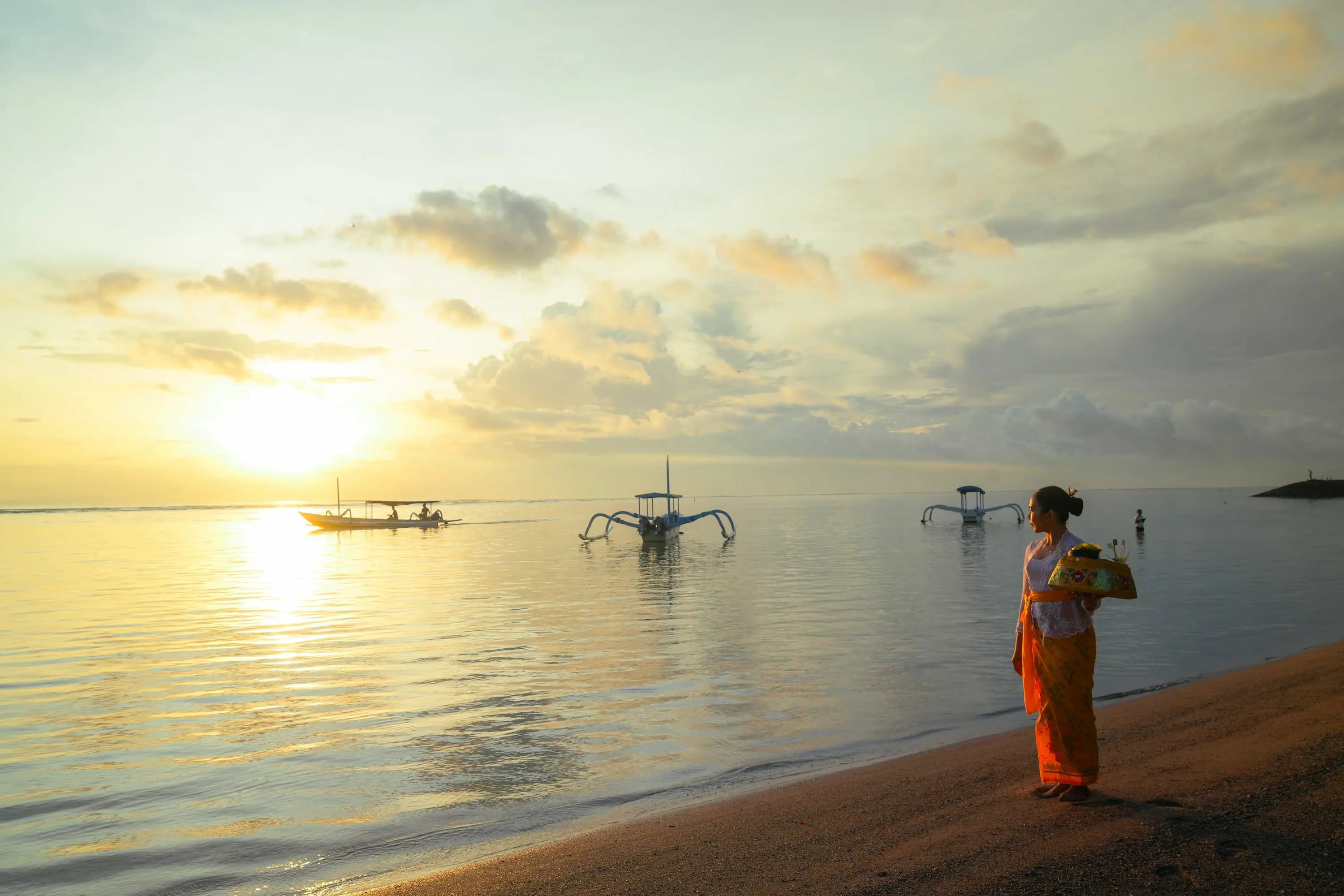

Balinese healing rituals are a series of holistic traditional healing practices that help bring balance to the mind, body, and spirit. Passed down through generations, these healing traditions have long been a part of Bali’s cultural heritage, making the island not only rich in tradition but also a destination deeply connected to wellness and holistic wellbeing.
As one of the most meaningful wellness experiences on the Island, Balinese healing rituals are something you should not miss during your visit. However, before experiencing them for yourself, it is worth taking a closer look at what Balinese healing rituals truly are in this article.
Understanding the Philosophy Behind Balinese Healing
Traditional Balinese healing rituals are a holistic system of healing rooted in Balinese Hindu teachings and ancestral animistic beliefs. Passed down through generations, this tradition views health as more than the absence of physical illness. Instead, well-being is understood as a balance between the body, mind, spirit, and the surrounding environment. For this reason, Balinese healing practices focus not only on visible symptoms but also on the emotional, spiritual, and energetic aspects that influence overall health.
At the heart of this healing tradition is the philosophy of Tri Hita Karana, which translates to “The Three Causes of Wellbeing and Happiness.” This philosophy teaches that a healthy and harmonious life is achieved through balance in three essential relationships: the relationship with God (Parahyangan), with other people (Pawongan), and with nature (Palemahan).
When someone experiences physical illness or emotional distress, local communities often see it as a sign that one of these relationships has fallen out of balance. Rather than addressing symptoms alone, traditional healing seeks to restore harmony across these interconnected aspects of life.
Another important concept within Balinese healing traditions is Sekala and Niskala, which describe the two dimensions of existence that coexist side by side. Sekala refers to the physical world that can be seen and experienced directly, such as muscle pain, fatigue, or illness. Niskala, on the other hand, refers to the unseen realm of energy, emotions, karma, and spiritual connections. Many Balinese healing practices, therefore, aim to nurture balance in both dimensions, creating a more holistic approach to wellbeing.
The Role of the Balian in Balinese Wellness Culture
Within Bali’s wellness culture, the Balian plays an important role as a traditional healer and spiritual guide. More than simply treating physical ailments, a Balian is believed to help restore balance between the physical and spiritual realms, addressing not only the body but also the mind and spirit. Healing practices may include prayers, herbal remedies known as loloh, traditional massage techniques, and purification rituals such as melukat.
In general, there are several types of Balian, each with its own area of expertise. A Balian Usada specializes in traditional herbal medicine, using plants, roots, and spices to support physical healing. A Balian Pijat or Balian Tapel focuses on physical treatments through massage and body manipulation techniques.
A Balian Tenung is known for spiritual guidance and is believed to communicate with ancestral or spiritual realms to identify the root causes of non-physical issues. Meanwhile, a Balian Katak specializes in fertility, pregnancy, childbirth, and postnatal care, supporting women through various stages of motherhood.
Melukat: The Sacred Water Purification Ritual
Among the many Balinese healing rituals, the Melukat ceremony is perhaps one of the most widely known and frequently experienced by visitors to Bali. Before taking part in this sacred purification ritual, it is worth understanding its meaning, the etiquette involved, and where you can experience it respectfully.
The Meaning Behind the Ceremony
Melukat is a traditional Balinese Hindu purification ritual that aims to cleanse the mind, body, and spirit from negative energy, mental impurities (klesa), and emotional burdens through the use of holy water (tirta). The ritual is typically performed at sacred natural water sources such as springs, rivers, lakes, or the sea, which are believed to hold spiritual significance.
The word Melukat originates from the ancient Kawi language, combining su, meaning “good” or “pure,” and lukat, meaning “to cleanse” or “to release.” In essence, the ritual is intended to purify both the physical realm (sekala) and the spiritual realm (niskala), restoring balance between the two.
From a philosophical perspective, a Melukat purification ceremony in Bali represents a journey of spiritual cleansing and renewal. It is often performed to release emotional burdens, negative energies, and inner unrest, allowing individuals to restore balance within themselves while reconnecting with nature, spirituality, and the divine.
Where Travelers Can Respectfully Take Part
The Melukat ritual is often performed on auspicious days in the Balinese Hindu calendar, such as Purnama (full moon), Tilem (new moon), and Kajeng Kliwon. Traditionally, the ceremony takes place at sacred sites believed to hold spiritual significance, including holy springs, lakes, the sea, and purification fountains within Balinese temples.
Today, visitors can also take part in a Melukat ceremony at several sacred water sites across Bali that are open to the public. Some of the most well-known locations include Tirta Empul in Gianyar and Taman Beji Griya in Badung, where you can experience this traditional purification ritual while gaining a deeper appreciation of Bali’s spiritual and cultural heritage.
Etiquette and Preparation Before You Go
Before participating in a Melukat ceremony, it is important to understand and respect the customs that accompany this sacred ritual:
- Wear modest clothing and traditional Balinese attire, typically consisting of a kamen and sash.
- Do not use soap, shampoo, or other cleansing products in the purification fountains, as the ritual is intended for spiritual rather than physical cleansing.
- Maintain respectful behavior by avoiding excessive noise, shouting, inappropriate language, or disruptive conduct.
- Focus on prayer and the intention of self-purification, while following the guidance of temple attendants or ritual facilitators.
- If there is a queue at the purification fountains, wait patiently and be considerate of others.
To ensure a respectful and meaningful experience, there are also several preparations to keep in mind:
- Arrive in good physical condition before taking part in the ritual.
- According to Balinese Hindu customs, women who are menstruating or in the postpartum period are generally advised not to participate.
- It is customary to avoid attending sacred ceremonies during periods of family mourning.
- Bring essentials such as a change of clothes, a towel, and a canang sari offering as a gesture of gratitude and respect.
- Cleanse yourself with regular water before entering the sacred pool or purification area.
Healing Through Touch: Traditional Balinese Massage and Bodywork
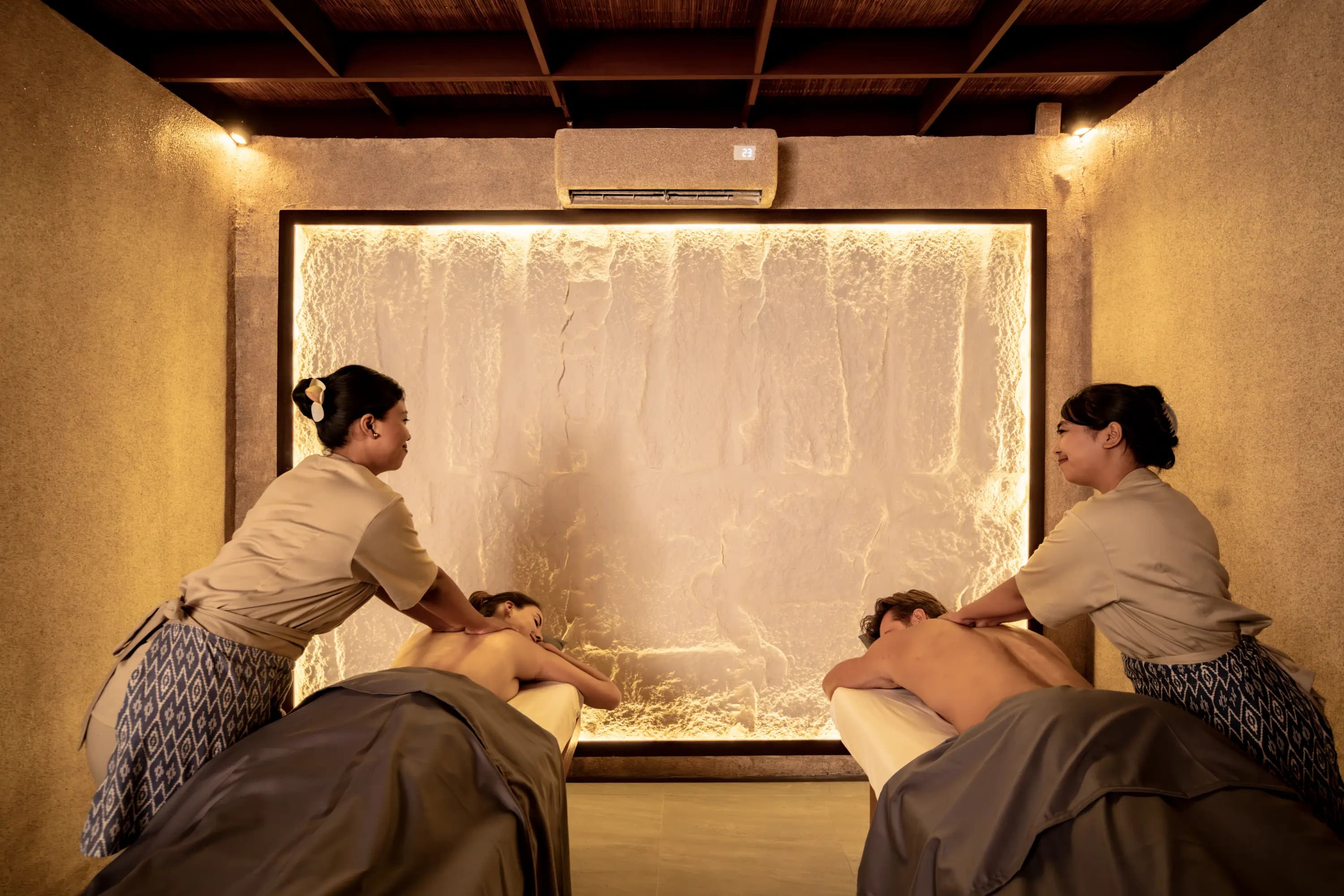
Beyond purification rituals such as Melukat, Bali is also known for its healing traditions that focus on the power of touch, including traditional Balinese massage and bodywork. Long valued for their restorative benefits, these treatments have become a meaningful part of the Bali experience for those looking to slow down, recharge, and reconnect with themselves.
Boreh and Its Warming Effects on the Body
Bali also has its own traditional body treatment known as Boreh. Made from a blend of natural herbs and spices such as ginger, cloves, cinnamon, and turmeric, Boreh is typically prepared as a warming body paste that is applied directly to the skin as part of a traditional healing ritual.
Traditionally used to warm the body and promote relaxation, Boreh is valued for its many therapeutic benefits. It is believed to help ease muscle aches and joint discomfort, improve blood circulation, support the body’s natural detoxification process, and gently exfoliate the skin, leaving it feeling refreshed and revitalized.
Lulur and the Ritual of Renewal
Lulur is another traditional wellness ritual that has long been practiced in Bali. Designed to exfoliate dead skin cells, brighten the skin, and promote deep relaxation, it is valued not only for its beauty benefits but also for its symbolic meaning.
Lulur is associated with releasing negative energy, stress, and fatigue, creating space for a renewed sense of wellbeing. Typically applied after a massage treatment, Lulur gently polishes the skin while providing a soothing sensory experience.
Combined with calming aromas and mindful touch, the ritual leaves both the body and mind feeling refreshed, balanced, and restored.
Flower Baths and Sensory Restoration
Balinese healing also embraces sensory restoration through flower baths, a soothing practice that invites both physical and emotional relaxation. Immersing yourself in warm, aromatic water adorned with delicate botanical petals creates a calming experience that helps restore balance, ease tension, and encourage a deeper sense of well-being.
Within Balinese wellness traditions, flower baths are often associated with cleansing the aura, rebalancing the body’s energy, and promoting inner harmony. Combined with the therapeutic qualities of water and natural fragrances, the ritual offers a gentle moment of stillness that leaves both the body and mind feeling refreshed and renewed.
The Botanicals Behind the Rituals
Botanical ingredients play an important role in Balinese healing traditions. These practices are rooted in Usada, a collection of ancient Balinese healing texts that draw upon the island’s rich tropical flora as a source of natural wellbeing.
Guided by this knowledge, Balian healers often prepare herbal remedies, body applications, infused oils, and aromatic compresses to help ease physical discomfort while supporting balance in both energy and spirit.
Each botanical ingredient used in these traditions is valued for its unique properties and purpose. Turmeric, for example, is widely known for its natural anti-inflammatory qualities, while ginger is often used to warm the body and support healthy circulation.
Beyond these well-known ingredients, Balinese healing traditions also make use of a wide variety of local botanicals, including cloves, cinnamon, ylang-ylang, frangipani, and gotu kola. Together, these plants contribute to the rich healing heritage of Bali, each bringing its own distinctive aroma, character, and therapeutic benefits.
Choosing the Right Healing Ritual for Your Travel Style
There is no single Balinese healing ritual that can be considered the “right” choice for everyone, as the experience ultimately depends on your personal needs, intentions, and wellbeing goals. The most meaningful approach is to choose a ritual that resonates with what you are seeking, whether it is physical relaxation, emotional balance, spiritual reflection, or a deeper connection with yourself.
For Couples Seeking Connection
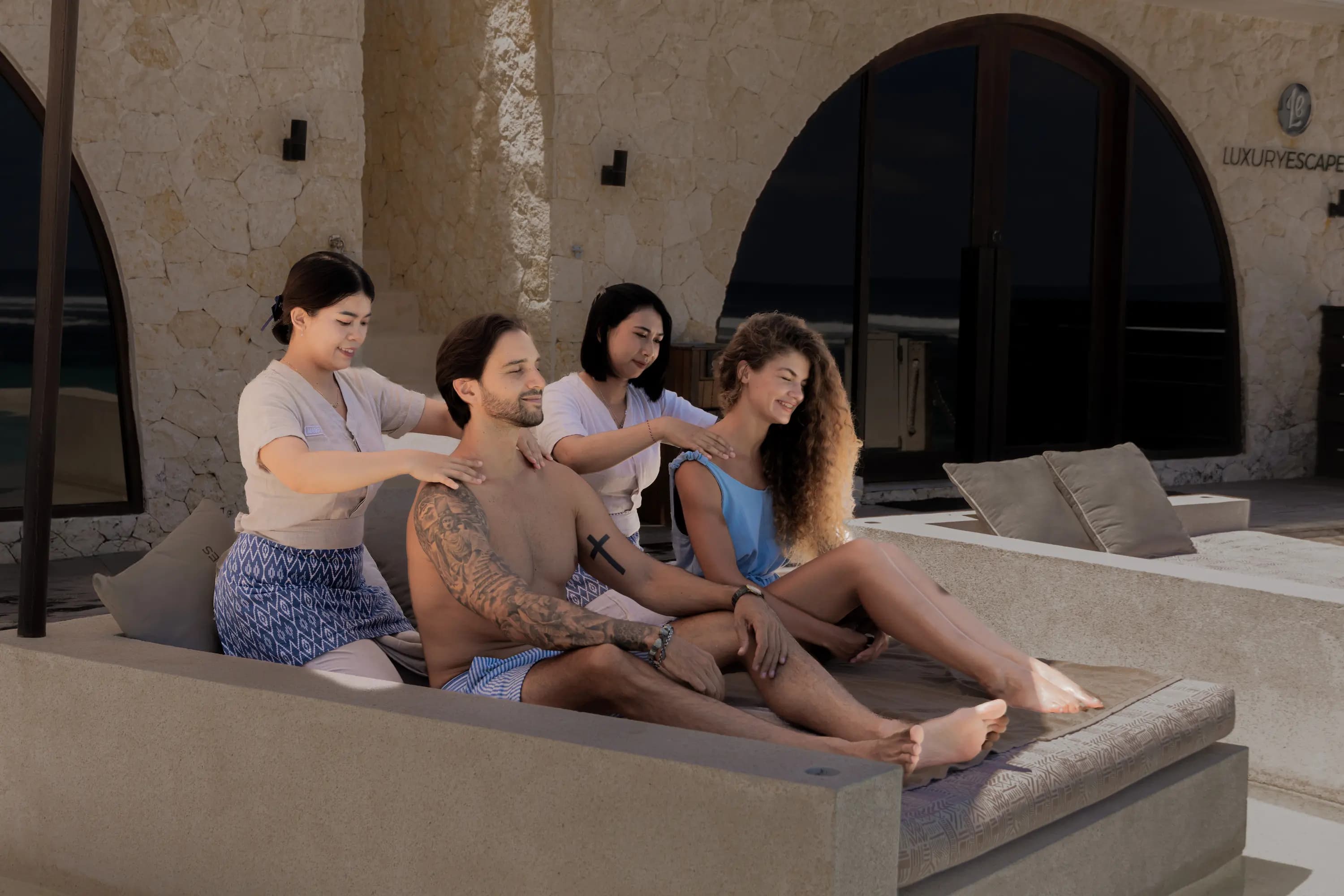
For couples looking to strengthen their bond and reconnect with one another, experiences such as a couple spa ritual or a Melukat ceremony can offer a meaningful journey together. Blending relaxation, mindfulness, and shared moments of reflection, these experiences create space to slow down, reconnect, and nurture a deeper sense of closeness amidst the beauty of Bali.
For Solo Travelers Seeking Reflection
For solo travelers seeking moments of reflection and personal renewal, experiences such as Melukat, sound healing, and meditation are well worth exploring. These practices offer a thoughtful combination of mental clarity, nervous system restoration, and mindfulness, creating space to slow down and reconnect with yourself.
For Small Groups Seeking Shared Experience
For small groups looking to enjoy a shared experience, activities such as Melukat, sound healing, or a traditional Balinese massage can be a meaningful choice. These traditional healing rituals offer more than relaxation, but create opportunities for connection, reflection, and memorable moments together throughout your journey in Bali.
Planning a Balanced Healing Day in Bali
If you are planning a healing retreat in Bali, there are a few things worth considering to ensure a more meaningful and enjoyable experience:
- Choose the right location and accommodation. If your goal is rest and reflection, consider staying in areas surrounded by nature, such as Ubud, Sidemen, or Kintamani, where the atmosphere tends to be quieter and more conducive to relaxation.
- Create a balanced itinerary by combining healing activities with light exploration. Allowing time for both rest and discovery can help you experience Bali at a more mindful and unhurried pace.
- Select the Balinese healing traditions that best align with your personal needs and intentions. Whether you are drawn to Melukat, traditional Balinese massage, sound healing, meditation, or a combination of experiences, choosing practices that resonate with you can make the journey more meaningful.
Bringing the Spirit of Balinese Healing Into Everyday Life
Balinese healing traditions are not just wellness rituals or treatments, but a way to reconnect with yourself through balance, mindfulness, and harmony. Whether through Melukat, traditional Balinese massage, herbal therapies, or other healing practices, each experience offers a chance to slow down, embrace a sense of calm, and enjoy meaningful moments of self-reflection amidst the beauty of Bali.
If you would like to experience Balinese healing traditions for yourself, embark on a wellness journey inspired by Bali’s rich healing heritage at Svaha Spa. Discover treatments and rituals designed to nurture the body, calm the mind, and restore the spirit. Reserve your session today and experience the full essence of Balinese healing.