
Yoga and meditation in Bali offer a different kind of island escape, one built on stillness rather than crowds. Beyond the lively beach scene, these calming practices invite relaxation and inner balance for travelers seeking a break from daily life.
Surrounded by breathtaking natural scenery, the experience here feels truly elevated. In this article, we'll cover what yoga and meditation really mean, the best places to practice, and how to enjoy every moment on this tropical island.
Why Bali Draws Travelers Seeking Yoga and Meditation
When people hear the word Bali, the first thing that comes to mind is often its vibrant beaches and lively nightlife. In recent years, however, the island has also drawn travelers from around the world seeking tranquility, deep spirituality, and world-class wellness through yoga and meditation.
A yoga and meditation retreat in Bali has become a sought-after experience, as the island blends several elements perfectly:
- Connection with nature: Bali is known for its breathtaking landscapes, where wellness and relaxation feel even more serene against stunning natural backdrops. From the terraced rice fields of Ubud to crashing waves along the coast and the refreshing calm of the mountains, nature here sets the tone for stillness.
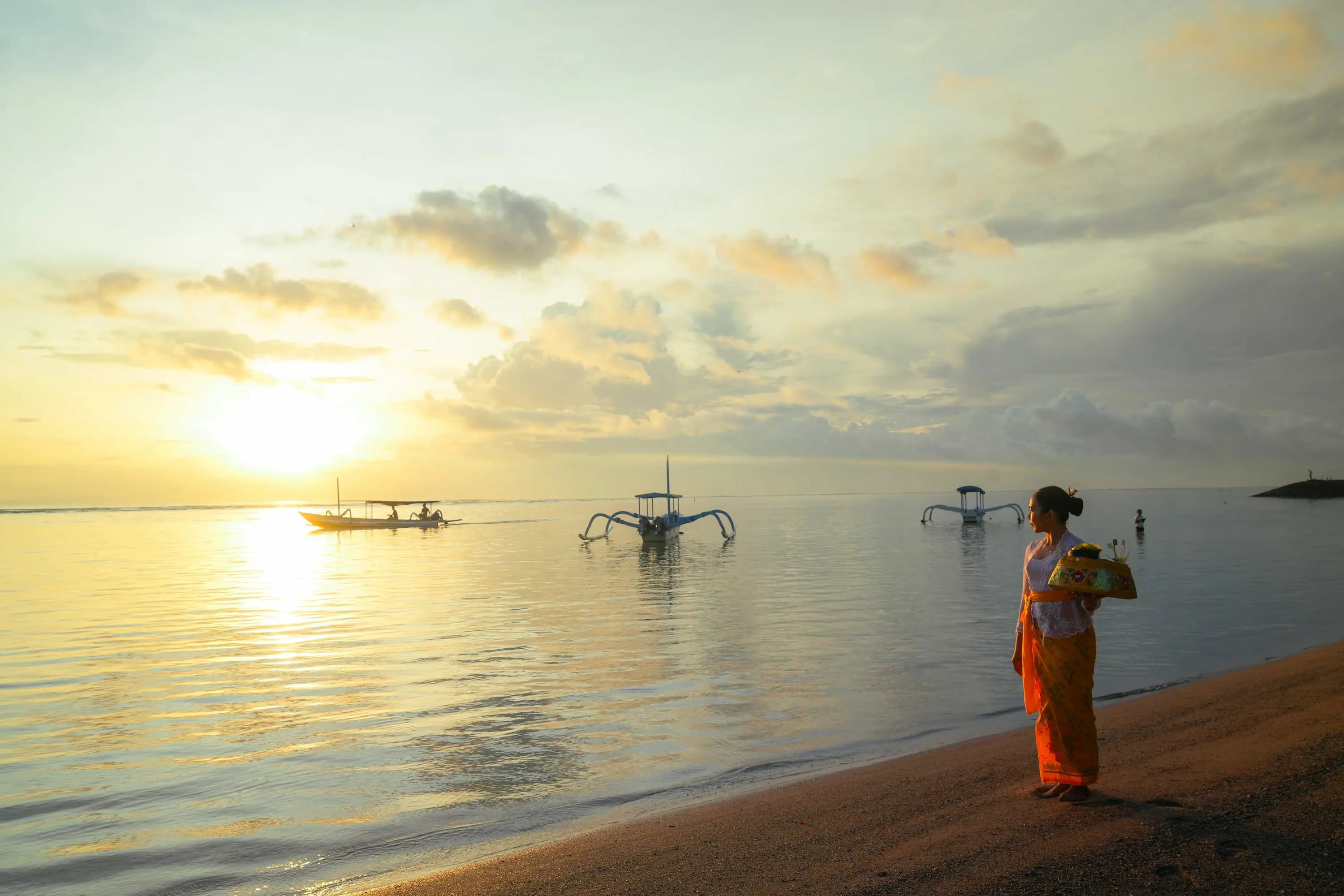
- Deep spirituality: Bali is home to a Hindu community that places great value on balance and harmony. This spirituality runs deep, felt through daily rituals and traditions like canang sari offerings and melukat purification ceremonies, along with a reverence for nature that supports meditation practice.
- World-class wellness facilities: The island offers an impressive range of wellness facilities, from exclusive retreats to holistic healing spa or centers.
- An open, global community: Bali is home to an international community that embraces and supports the healthy lifestyle movement.
Understanding Yoga and Meditation Traditions in Bali
Yoga and meditation retreats are more than just another fitness routine in Bali. Both practices are rooted in Hindu Dharma and Buddhist traditions that date back centuries, and they continue to shape daily life on the island to this day.
At the core of it all is the philosophy of Tri Hita Karana, meaning three causes of wellbeing. It teaches that true peace comes from harmony between people and the divine, with one another, and with the surrounding nature.
This philosophy runs through the everyday practices of the Balinese people. Yoga and meditation here focus heavily on the inner journey, with several traditional variations.
- Seated meditation centered on breath control (pranayama), chanting mantras, and slow, mindful hand movements.
- Bhakti yoga (yoga of devotion), expressed through the daily creation of canang sari offerings.
- Melukat, a traditional Balinese purification ritual led by a pemangku, aimed at cleansing the spirit and clearing negative energy.
To this day, these traditions live on naturally alongside global yoga styles like vinyasa and hatha. Many spas across Bali have been built with a modern touch, while still weaving in the island's original philosophy.
Bali's surroundings also lend themselves beautifully to these practices, from Ubud, known as the spiritual heart of the island with its calming green scenery, to Canggu, Seminyak, Sanur, Nusa Dua, and Uluwatu, each known for their coastal charm. Bali has grown into one of the world's leading wellness hubs for yoga and meditation.
The Real Difference Between a Retreat, a Studio Class, and a Private Session
To get the full yoga and meditation experience, Bali offers plenty of options you can tailor to your needs. These relaxation experiences usually come in the form of a retreat, studio class, or private session, but what actually sets them apart? Here's a closer look:
- Retreat: A wellness program that runs for several days to a few weeks, following a fully structured schedule. Beyond yoga and meditation, it typically includes accommodation, healthy meals, and dedicated time for deeper relaxation and self-reflection.
- Studio class: The most flexible and affordable option, letting you practice yoga regularly. Each session usually lasts about an hour, led by an instructor guiding a group of participants.
- Private session: Offers more focused attention from the instructor, since you're the sole focus throughout the session. The instructor also tailors the movements and techniques to match your needs and skill level.
Matching Your Bali Trip to the Right Kind of Practice
If you're looking to get the full yoga and meditation experience, the first step is matching it to your travel style on the island. Every type of trip calls for a different kind of practice. For a short getaway, a single studio class is often the most practical and low-commitment option, since you won't need to follow a lengthy schedule.
Got more time to spare, with a trip dedicated specifically to healing away from the daily grind? A retreat is the ideal choice for a more immersive experience. This option lets you fully step away from your everyday routine and soak in Bali's atmosphere completely.
Meanwhile, if you're staying at a private villa or on a honeymoon with your partner, a private session is the most comfortable option. You'll get to practice in your own private space, without having to travel to a studio or share the session with strangers.
Where to Practice: Bali's Yoga and Meditation Regions
You'll find studio classes and retreats for yoga and meditation almost anywhere in Bali, but each area has its own distinct atmosphere. Matching that vibe to your own preferences makes all the difference in the experience you end up having.
Ubud for Spiritual Depth and Rice Field Serenity
Yoga and meditation in Ubud become a full sensory retreat, wrapped in the island's calmest, greenest corner. Picture open-air studios and pavilions where the breeze drifts in cool and unhurried, framed by lush jungle canopy or endless emerald rice terraces.
Canggu for a Modern and Social Yoga Scene
If you're after something more modern and social, Canggu has plenty of yoga and meditation studios with just that vibe. Here, you'll find open-concept studios overlooking rice fields or the ocean, offering dynamic classes that still leave you feeling deeply calm.
Uluwatu and Seminyak for Ocean View Practice
Uluwatu and Seminyak are two coastal areas with distinctly different landscapes, which shapes the kind of yoga and meditation experience each one delivers. Uluwatu leans into dramatic cliffside views and crashing waves, while Seminyak favors laid-back luxury, with upscale spas set against a beachside urban vibe.
Sanur for Quiet Coastal Sessions
Sanur is the ideal spot for a silent yoga and meditation retreat in Bali. This area feels far calmer than beach hubs like Seminyak and Canggu, set against the backdrop of gentle waves and sea breeze. Here, the focus shifts to healing, breath work, and meditation, often practiced while taking in a stunning beachside sunrise.
Combining Yoga, Meditation, and Spa Treatments for a Complete Wellness Day
Many people choose to combine yoga, meditation, and spa treatments to get a more well-rounded wellness experience over a full day or longer. This combination lets you care for the body, mind, and spirit together, rather than treating each practice separately.
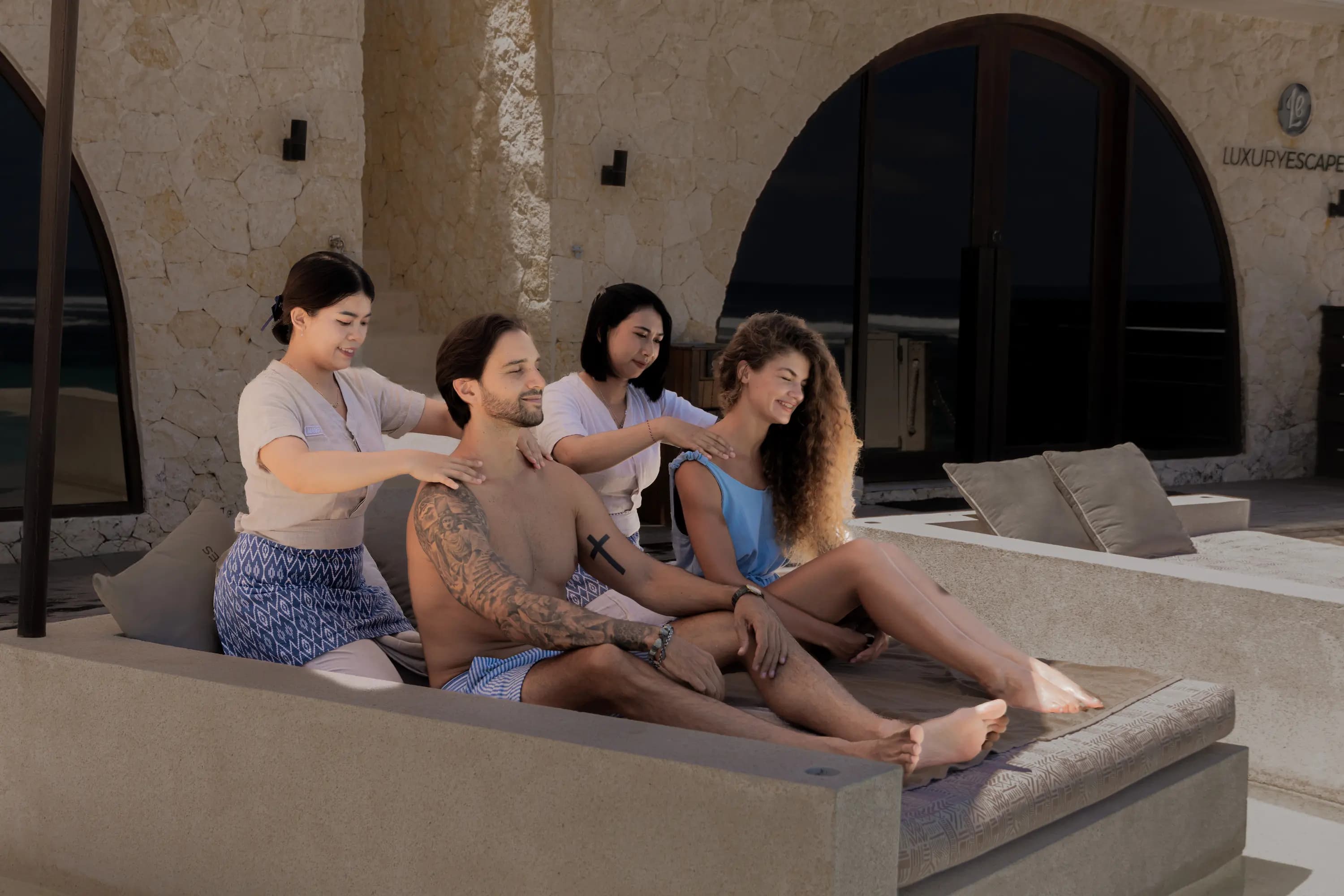
A typical wellness day starts in the morning with yoga to wake up the body and boost energy. This is followed by guided meditation to quiet the mind and release any lingering stress, before winding down with a spa treatment such as a traditional Balinese massage, herbal scrub, or flower bath to release any remaining tension in the muscles.
Practical Information Before Your First Class
Before You Arrive
- Make sure you're well hydrated before your session starts, so you don't feel dizzy midway through.
- Wear comfortable, breathable, sweat-wicking clothing to keep you comfortable through all the movement in yoga.
- Skip heavy perfumes, body lotions, or strong-smelling sunscreen, since they can bother fellow yogis sharing an enclosed space with you.
- Avoid heavy meals at least 2 hours beforehand. A light snack is fine if you need a boost of energy.
Studio Etiquette
- Leave all footwear outside the yoga hall.
- The yoga hall, or shala, is a sacred zone for focus and mind clarity, so keep noise and talking to a minimum, and make sure your phone is turned off.
- Don't be late. Punctuality is strictly enforced, and doors are often locked once class begins to keep the atmosphere undisturbed.
- Give others enough space when using your mat, and never step on someone else's.
- Communicate with your instructor if you're a beginner or have any injuries before class starts.
What to Bring
- A yoga towel is highly recommended to place over communal mats, which can feel slippery due to the humidity.
- Most studios in Bali provide filtered water, so bring a bottle you can refill.
- Bring a notebook or journal and pen to reflect on your meditation practice.
Making Space for Stillness During Your Time in Bali
A holiday in Bali doesn't have to mean noise and crowds. This beautiful island can just as easily become your space for stillness, a place to reconnect with yourself through yoga and meditation, far from daily worries.
That's what makes the experience here so calming and unforgettable. If you want to pair yoga and meditation with spa treatments for even deeper relaxation, don't forget to visit Svaha Spa near wherever you're staying.