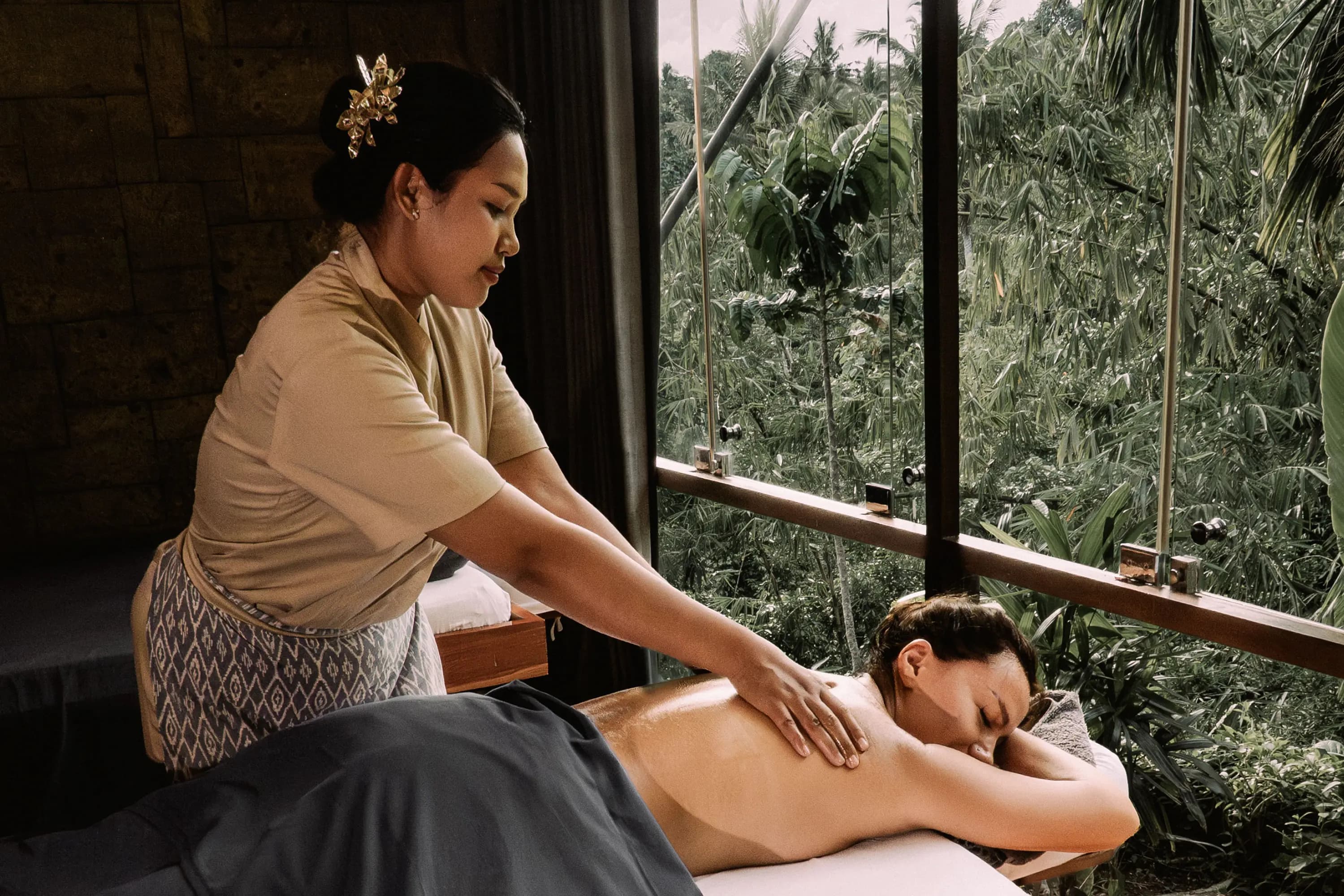

"Detox" is a word almost everyone has heard, yet few people understand the lymphatic system working behind it. This network runs quietly through the body as its natural pathway for clearing waste and toxins.
This article breaks down what the lymphatic system actually is and how it works. It also looks at how drainage massage can support this process.
What Is the Lymphatic System?
The lymphatic system is a network of tissues and organs that helps clear the body of toxins, waste, and harmful substances, including bacteria and other unwanted invaders. Its main job is to carry lymph, a fluid packed with white blood cells that ward off infection.
This network plays a major role in building the body's immunity. Several organs within it produce, store, and circulate these defense cells to fend off the germs behind common illnesses.
It's made up of glands and vessels that work together to move fluid into the bloodstream, a process central to immune health. When this function is disrupted, the body's ability to resist viruses weakens too.
What It Does for the Body
This system supports overall health in several key ways:
- Fighting infections caused by germs, viruses, fungi, and parasites
- Detecting cancer cells and helping prevent their growth
- Keeping the body's fluid levels balanced
- Absorbing fat from food in the intestines
- Clearing waste products and bacteria from lymph fluid
- Identifying antigens and producing antibodies to neutralize them
Organs Involved in the Lymphatic System
This system relies on the work of several tissues and organs; here's a closer look at each one.
- Bone Marrow and Thymus Gland
Bone marrow acts as a key starting point in this system, producing red cells, platelets, and infection-fighting white cells. The thymus gland then matures a portion of these into T cells, which detect and fight the bacteria or viruses behind infection. - Spleen
The spleen is the largest organ in the system, filtering and monitoring blood as it circulates through the body. It also plays a role in producing and storing white cells that fight infection. - Lymph Nodes and Vessels
Lymph vessels carry fluid from body tissues back into the bloodstream, where lymph nodes filter it along the way. They also produce white blood cells that fight germs and foreign invaders.
Signs Your Lymphatic System May Be Sluggish
Because it plays an important role in maintaining fluid balance, supporting immune function, and helping the body absorb fats and fat-soluble vitamins from digestion, the lymphatic system is an essential part of overall wellness. When lymphatic drainage is not working efficiently, excess fluid can build up in the tissues and cause swelling, tightness, or discomfort.
Several physical signs may indicate lymphatic drainage is not working as well as it should. While these symptoms can also be caused by other conditions, here are some signs worth paying attention to:
Physical Signs
- Persistent puffiness or swelling
Swelling may appear in the arms, legs, hands, feet, or sometimes the face.
- Heavy or tight-feeling limbs
Your legs or arms may feel unusually heavy, tight, or uncomfortable, especially when swelling is present.
- Visible sock or jewelry marks
Socks, rings, watches, or clothing may feel tighter than usual or leave more noticeable marks on swollen skin.
- Reduced flexibility
Swelling or tightness may make certain joints or limbs feel stiffer and less comfortable to move.
- Changes in the skin
Ongoing swelling may cause the skin to feel tighter, firmer, thicker, or slightly different in texture.
- Recurring skin infections
Impaired lymphatic drainage can make the affected area more vulnerable to skin infections.
Energy and Immune-Related Signs
- Feeling unusually tired
Persistent fatigue may sometimes appear alongside swelling or other health concerns, although it can have many different causes.
- Feeling less focused
Brain fog or difficulty concentrating is not a direct sign of poor lymphatic drainage, but it may affect how you feel overall when your body is under stress.
- Swollen or tender lymph nodes
Lymph nodes may become swollen or sensitive when the immune system is responding to infection or inflammation.
- Recurring skin infections
When lymphatic drainage is impaired, the affected area may become more vulnerable to skin infections and may take longer to recover.
These signs do not necessarily mean there is a problem with your lymphatic system. Persistent, sudden, or unexplained swelling should always be checked by a healthcare professional.
What Is Lymphatic Drainage Massage?
After understanding what the lymphatic system is, how it works, and some of the signs that its flow may not be functioning optimally, it is also helpful to know how this system can be supported. One method commonly used in wellness is lymphatic drainage massage, a gentle massage technique designed to encourage the natural movement of lymph fluid through the body.
Although the body already carries out its own natural detox processes through organs such as the liver, kidneys, and lymphatic system, supporting healthy fluid movement can still be beneficial for overall comfort and well-being. Lymphatic drainage massage does not “detox” the body directly, but it may help encourage lymph flow, especially when excess fluid has accumulated in the tissues.
The technique uses very light, slow, and rhythmic movements to guide lymph fluid toward areas where it can drain more effectively and eventually return to the bloodstream. Unlike traditional or deep-tissue massage, lymphatic drainage massage does not rely on strong pressure or deep manipulation of the muscles.
How the Technique Works
- Light pressure
Lymphatic drainage massage uses very gentle pressure rather than the deeper pressure found in treatments such as deep tissue massage. Many lymphatic vessels are located close to the surface of the skin, so the technique focuses on gently stretching and moving the skin rather than pressing deeply into the muscles.
- Following the body’s lymphatic pathways
The therapist uses slow, carefully directed movements that follow the body’s natural lymphatic pathways. The direction of the massage depends on the area being treated and is designed to guide lymph fluid toward parts of the lymphatic system where it can drain more effectively.
- Gentle pumping movements
Slow and rhythmic hand movements help encourage excess lymph fluid away from areas of swelling or fluid retention. Rather than forcefully pushing fluid, the technique works with the body’s natural lymphatic flow.
- Gentle directional movements
Depending on the technique and the area being treated, therapists may use slow circular, stretching, or carefully directed hand movements. These movements are adapted to the body’s lymphatic pathways to help fluid move toward areas where it can drain more effectively.
Key Benefits
- Helps with swelling/fluid retention
Lymphatic drainage massage is commonly used to help move excess lymph fluid from the tissues, which may reduce swelling and fluid retention, particularly when related to lymphatic buildup. It is also used as part of professional treatment for lymphedema, usually alongside other therapies such as compression and exercise.
- Supports recovery in certain situations
Lymphatic drainage may be recommended after certain surgeries or injuries when swelling occurs, helping excess fluid move more effectively. Post-surgery massage should be done with guidance from a healthcare professional.
- Supports the body’s natural detox process
The body already has its own natural detox mechanisms. Lymphatic drainage massage does not directly “remove toxins,” but by supporting the movement of lymph fluid, it may assist the lymphatic system in transporting excess fluid, cellular debris, and other substances from the tissues as part of the body’s normal processes.
- Supports healthy lymphatic function
Rather than directly “boosting immunity,” lymphatic drainage massage helps support normal lymph movement. Since the lymphatic system plays an important role in immune function, healthy lymphatic function contributes to the body’s overall well-being.
- Promotes relaxation
The slow, gentle, and rhythmic movements used in lymphatic drainage massage can create a calming and relaxing experience without the deeper pressure typically used in other massage techniques.
Who Should Consider Lymphatic Drainage Massage
Not everyone needs lymphatic drainage massage. This treatment may be more suitable for people with lymphedema, post-surgery swelling, or certain types of fluid retention, with the massage frequency and timing adjusted based on individual needs and professional advice.
- Lymphedema
People who experience swelling, commonly in the arms or legs, caused by a buildup of lymph fluid when the lymphatic system is damaged or not working properly.
- Post-surgery recovery
People recovering from certain procedures, including liposuction or plastic surgery, may be advised to have lymphatic drainage massage to help manage swelling. It should only be done after approval from the surgeon or healthcare professional.
- Fluid retention
People who experience mild puffiness or fluid buildup may find the treatment helpful, depending on the underlying cause. Persistent or unexplained swelling should be medically assessed first.
- Low-movement lifestyle
People who spend long periods sitting or moving very little may enjoy lymphatic drainage massage as part of a broader wellness routine to support gentle fluid movement and help the body feel lighter.
Massage and Mindful Body Care in Bali
Wellness in Bali offers many ways to relax, reconnect with your body, and enjoy a more mindful break. Beyond lymphatic drainage massage, different massage and spa treatments can also support relaxation, body awareness, and everyday self-care.
Taking care of your body does not have to stop with one type of treatment. Svaha Wellness offers a range of spa experiences designed to help you slow down and recharge. Explore the latest offers here.