
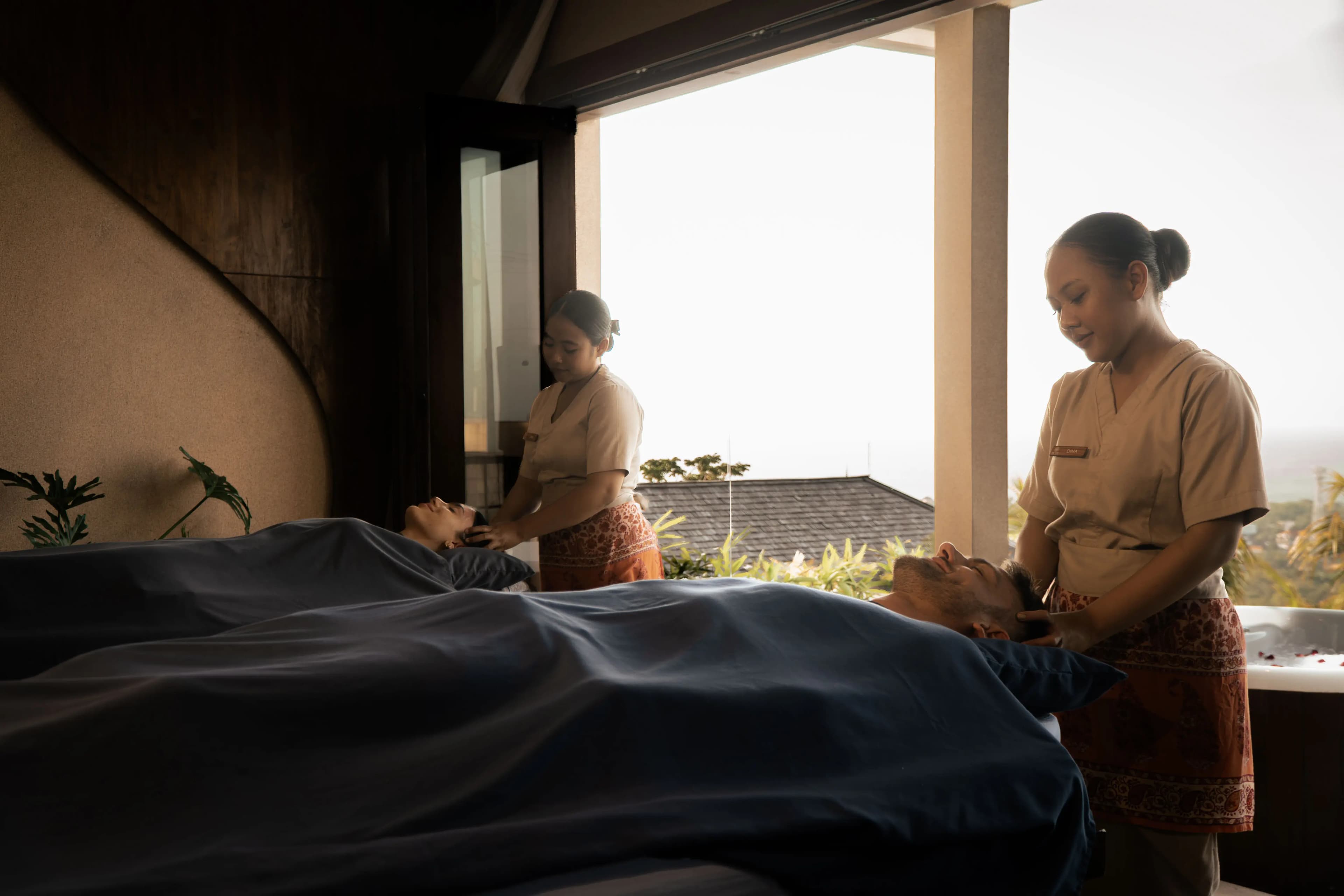
Known for its nature, Bali has become a wellness retreat destination. Planning a retreat for well-being helps you find the best time to heal from the hustle and bustle and can help restore your mental and physical health.
From Ubud to Uluwatu, regaining well-being through a retreat is possible on Dewata Island. Discover how to plan a mindful wellness retreat in Bali to help you recover your physical and mental health.
What a Mindful Wellness Retreat Really Means
Mindful travel is more than a relaxing holiday or a few spa treatments. It is a period designed to slow down, allowing you to become more aware of your physical and emotional state and reconnect with healthier routines.
The retreat's objective is to provide adequate time for rest and introspection rather than adhering to a rigorous wellness regimen. A perfectly designed retreat balances guided activities with quiet time, helping you notice how stress, sleep, and daily habits affect feelings.
Rest as Intention, Not Just Absence of Work
A wellness retreat in Bali makes rest an intention, not just an absence of work. It is not simply what happens when work stops, as rest becomes something you actively make space for through slower mornings, quiet meals, time in nature, and restorative treatments.
This intentional rest gives the body and mind a chance to recover without the pressure to stay productive. Retreats create room to pause, notice how you feel, and understand what genuine recovery looks like, so resting moments feel more satisfying.
Reading What Your Body and Mind Actually Need
Slow living through a retreat helps you understand what your body and mind actually need. This makes choosing the right retreat important, as you can notice what you actually need to regain well-being.
The point is not to force yourself into a fixed wellness routine. It is more about paying attention to your energy, mood, tension, appetite, and sleep patterns, then choosing activities that genuinely support how you feel.
Step 1: Choose a Setting That Matches the Feeling You Want
Having a wellness routine in Bali means choosing a setting that matches your feelings. Each Bali’s zone contributes to the routine, helping you consider an area that is perfect for your well-being journey.
Energetic Coastal Buzz
Canggu has been a place for self-care as it is located in a coastal area of Bali. It feels energetic, making a retreat vibrant yet still calming, as you regain your well-being after a long day of stress.
Polished and Central
Meanwhile, Seminyak is more polished and located in the center of Bali’s tourism hotspot. The area offers a perfect spa package that allows you to rejuvenate and let go of tension while visiting Dewata Island.
Lush Jungle Retreats
With lush jungle retreats, rest and recovery time through a retreat in Ubud feels calming. A retreat in this area creates a sense of distance from busy streets, screens, and tightly packed schedules.
Calm and Unhurried Coastline
A gentle coastal setting is suitable if you are looking for a slower wellness escape, especially when you stay in Sanur. Its long beachfront path, calm water, and relaxed morning atmosphere make it easy to start the day with a quiet walk, gentle cycling, or even yoga.
Coastal Stillness by the Cliffs
A wellness retreat in Uluwatu, specifically a quiet retreat in Melasti, feels spacious and grounding, especially for you who want privacy and a stronger sense of escape. Clifftop stays, ocean air, and a slower daily routine create an atmosphere where rest feels intentional rather than rushed between activities.
How Many Days You Actually Need
A mindful retreat works for three to five days for you to slow down, rest properly, and settle into a healthier rhythm without feeling rushed. However, five to seven days gives more breathing room, building new habits around meditation, movement, nutrition, and stress management.
Step 2: Shape Your Days Around Rhythm, Not Rules
A wellness agenda should feel supportive rather than overly structured. Instead of filling every hour with scheduled activities, you can build each day around a natural rhythm that includes enough sleep, nourishing meals, restorative treatments, and quiet time.
Building a Loose Daily Rhythm
A loose daily rhythm gives you enough structure to feel intentional without turning relaxation into another checklist. You may begin the day with a slow morning, gentle movement, and a nourishing breakfast, then leave the middle of the day for spa treatments or even reading time.
Letting Mornings and Evenings Carry Different Energy
You can shape mornings around gentle activation, such as light stretching, yoga, breathwork, a quiet walk, or even an unhurried breakfast. Then, begin the evening with a warm bath, restorative treatment, journaling, meditation, or simply spending less time on screens.
Sample 3-Day Retreat Flow
You can plan a 3-day retreat flow that works best when each day has a different purpose instead of trying to fit every experience into the schedule. It might start with a gradual check-in on the first day, followed by yoga on the second and introspection on the third.
|
Day |
Focus |
Suggested Flow |
|
Day 1 |
Arrive and decompress |
Check in slowly, enjoy a light meal, take a gentle walk, book a calming massage, have an early dinner, and keep the evening quiet. |
|
Day 2 |
Restore and reconnect |
Begin with yoga or breathwork, have a nourishing breakfast, spend time in nature, enjoy a spa or wellness treatment, leave the afternoon open for rest, and finish with journaling or meditation. |
|
Day 3 |
Reflect and reset |
Start with gentle movement, enjoy an unhurried breakfast, take time to reflect on what made you feel better, choose one final restorative activity, and identify a few simple habits to continue at home. |
However, the schedule should stay flexible. The best retreat flows give you enough direction to feel purposeful while still leaving plenty of room to rest whenever your body or mind asks for it during the trip.
Step 3: Choose Treatments With Purpose
Choosing treatments with purpose is an ideal way to begin a retreat for well-being. You should focus on what your body and mind actually need, based on your current goal, whether that is releasing muscle tension, improving sleep, or reducing mental fatigue.
Treatments for Physical Recovery
If you place a high priority on physical healing, you should consider therapies that promote circulation, reduce tension, and allow weary muscles to unwind. Swedish massage, Balinese massage, and deep tissue massage are some of the options to finally get the desired result.
Treatments for Mental Stillness
These kinds of treatments are designed to reduce stimulation and create space for the mind to settle. Gentle options such as sound healing, guided meditation, breathwork, aromatherapy, or even Shirodhara can support a calmer state without demanding too much physical effort.
For good well-being, you can visit a getaway place, such as a coastal escape in Bingin. It is a place where you can find deeper relaxation because the treatment space is far away from busier streets and crowds.
Step 4: Prepare With Intention
Setting up the ideal environment to slow down is more important when preparing for a wellness vacation than packing flawlessly. Avoid packing the retreat with too many reservations or events, cut down on work alerts, and resolve any unneeded commitments before you arrive.
What to Pack for a Retreat Mindset
Comfort, simplicity, and fewer distractions should be prioritised when packing for a wellness retreat. Bring any personal goods you need for yoga, meditation, or spa time, as well as breathable clothes, comfy shoes or sandals, a swimsuit, sleepwear, a reusable water bottle, and sun protection. For peaceful times, a book and a journal can be helpful.
What to Book Ahead of Time
Make reservations in advance for the portions of your retreat that are essential to your wellness objectives. Accommodations, spa services, private yoga or meditation sessions, sound therapy, wellness consults, and unique experiences that are only available during specific periods are a few examples of this.
A Mindful Wellness Retreat Worth Planning For
A wellness retreat feels incomplete if you choose the wrong plan for rest in the busy days. One way to lessen stress is to arrange a wellness retreat at Svaha Wellness in Bali, leaving the body lighter and with a deeper sense of calm.
For the best wellness retreat in Bali, you can book a massage at Svaha Spa. Enjoying your day there will result in a peaceful, stress-relieving experience that leaves you feeling rejuvenated and refreshed.